
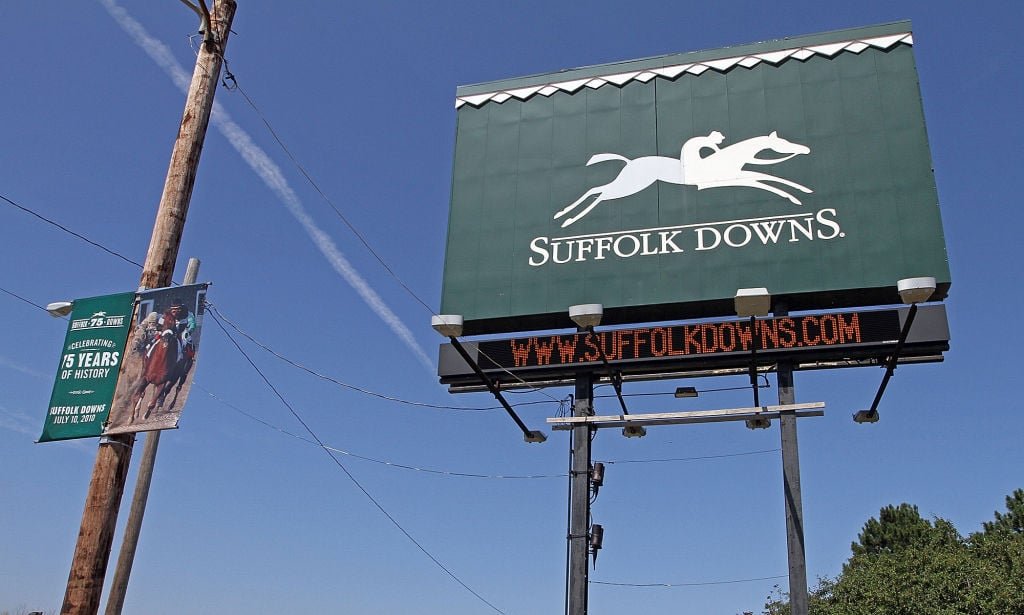
The Massachusetts House approved legislation Wednesday night (July 8) that would legalize historical horse racing (HHR) machines at the state’s remaining racetracks.
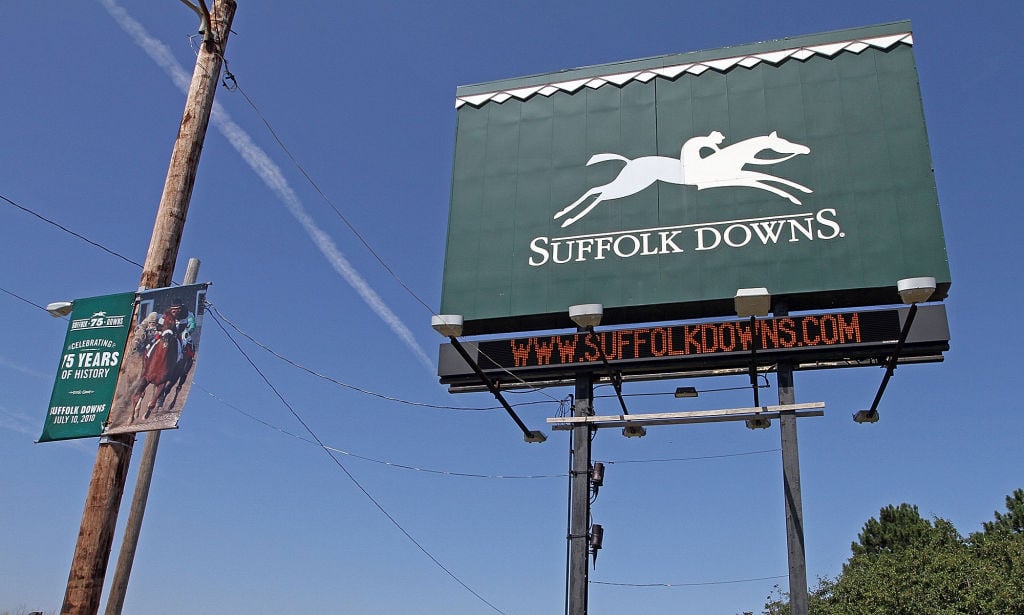
The measure was part of a raft of 11th-hour amendments included in a sweeping $561 million economic development bill that now heads to the Senate, where its prospects are less certain.
The proposal would allow HHR machines at eligible track properties, primarily benefiting Suffolk Downs in East Boston, where much of the former racetrack is being redeveloped into a mixed-use neighborhood, and the former Raynham Park in southeastern Massachusetts.
Neither venue currently hosts live horse racing, but part of Suffolk Downs still operates as a gambling destination, offering simulcast wagering.
What are HHR Machines?
HHR machines resemble slot machines but use the results of previously run horse races rather than a random number generator. The races are anonymized, with bettors wagering into parimutuel pools rather than against the house. The spinning reels are largely for show, simply revealing whether the wager won or lost.
This provides a “loophole” allowing supporters of the machines to argue they are an extension of horse racing rather than casino-style gambling.
The legislation is backed by developer Richard Fields, who has spent years trying to revive Suffolk Downs. Fields has also reached an agreement to acquire Raynham Park if the legislation is enacted.
A report commissioned by Fields from Spectrum Gaming Group estimates approximately $225 million in combined capital investment would be needed to develop HHR gaming venues at the two former tracks.
Casinos Lash Out
The state’s commercial casino industry has slammed the measure. Operators of Encore Boston Harbor, MGM Springfield, and Plainridge Park jointly urged House leaders to reject the amendment, arguing the terminals are effectively slot machines that would compete with casinos without being subject to the same regulatory framework.
Massachusetts’s sole tribal gaming operator, the Mashpee Wampanoag, is also fiercely opposed, describing it as an effort to expand gaming in Massachusetts outside the framework of the Tribal-State Compact and the Massachusetts Expanded Gaming Act.
“This is not just a gaming issue. It is a matter of Tribal sovereignty, government-to-government respect, and the Commonwealth keeping its word,” the tribe said in a statement emailed to Casino.org.
Recent Comments