
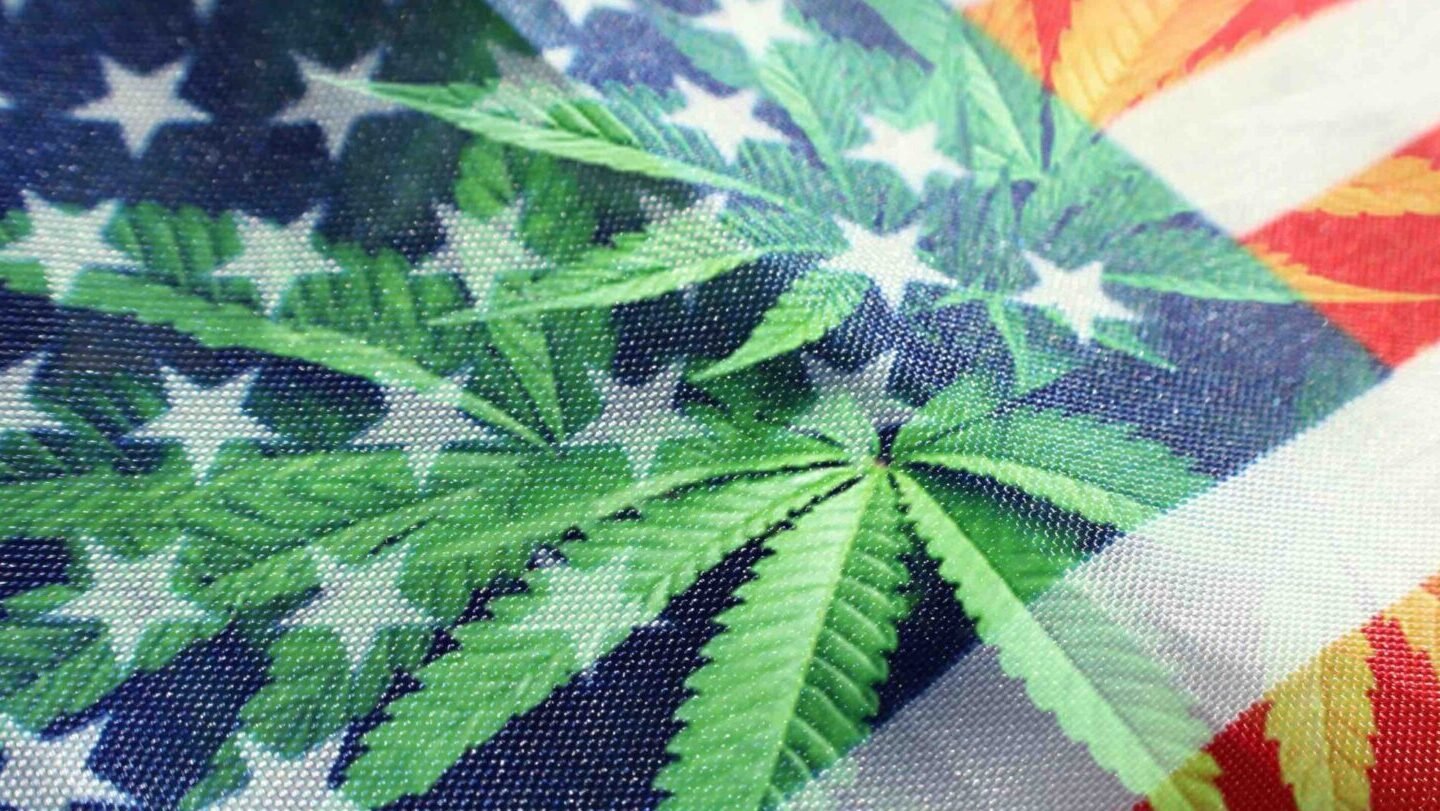
On Thursday morning, 4/23, Acting Attorney General Todd Blanche announced that the Department of Justice will quickly make good on President Trump’s executive order to reschedule cannabis from Schedule 1 to Schedule 3. Trump’s order, originally issued in December of last year, had been stalled out in recent months. Under the new Acting AG, it seems like the process that cannabis advocates have been seeking for years may finally be coming to fruition.
According to the new announcement, cannabis that has already been regulated under a state license and approved by the FDA will immediately be moved from Schedule 1 to Schedule 3, with all the tax benefit that entails. There will also be an administrative hearing concerning the broader rescheduling beginning on June 29 and ending by July 15 at the latest. The order also creates an expedited process for helping producers and distributors to come into compliance with Schedule 3. It’s important to note that this announcement is only referring to medical cannabis and those who sell it; recreational weed will remain a Schedule 1 drug for now.
“This rescheduling action allows for research on the safety and efficacy of this substance, ultimately providing patients with better care and doctors with more reliable information.”
Acting Attorney General Todd Blanche
This bit of good news is a very welcome late 420 gift for the cannabis industry. We now have a good deal more clarity into what the rescheduling process will actually look like and mean for both the industry and the consumer, and we’re gonna break it all down for you here.
Wait, didn’t rescheduling already happen?
No. Well, kinda. You aren’t living in a time loop; this process has been inching forward for a long time, earning big headlines all the while, but yesterday’s announcement from the DOJ is the most concrete movement we’ve seen to date and a great sign for the cannabis industry.
Related
Cannabis rescheduling just sped up: What you need to know about the executive order
This whole process began back under the Biden administration, which launched the ship back in 2024 when President Biden instructed the federal government to begin rescheduling cannabis. This effort had failed to make much progress, however, and when the second Trump administration entered the White House, it seemingly died entirely in the hand-off between administrations.
New sheriffs in town
President Trump issued his own executive order at the end of last year, instructing his DOJ to reschedule cannabis, and quickly. However, an executive order is, essentially, a memo on very, very impressive letterhead; they have no power on their own until the many departments that make up the federal government make the President’s directives a reality. The exact method of implementing an executive order is up to the secretaries and undersecretaries who directly administer these departments.
In fact, as we saw with President Biden’s rescheduling plan, sometimes an executive order doesn’t ever really come to anything, and there had been some concern that Trump’s attempt at cannabis rescheduling may be doomed to the same fate.
Those fears were proven baseless Thursday morning. Acting AG Blanche announced that his DOJ will honor the President’s executive order after the previous AG, Pam Bondi, had seemingly been slow-walking the process. While before we only had rhetoric and assumptions, the rubber has now laregly met the road, and now we have a much better idea of what the rescheduling process will actually look like.
What rescheduling actually means
You can read all about the Controlled Substances Act, how it classifies different types of narcotics under different tiers called “schedules”, and the act’s disastrous consequences, in Leafly’s extensive coverage, but here’s the skinny. Up until now, cannabis has been a Schedule 1 narcotic, the same as heroin and LSD. That means the federal government claims that cannabis is a highly addictive substance with no medicinal value, an outright absurdity and relic of failed war on drugs policies.
Related
A Guide to Federal Drug Rescheduling (And What It Means for Cannabis)
Now, cannabis will be classified as Schedule 3, the same tier as substances like ketamine, a much more natural home for the plant. While this administrative reclassification is not legalization nor decriminalization, and it won’t have an immediate impact on the habits of everyday cannabis consumers, it has two big effects on the future of cannabis and the cannabis industry.
Medical upsides
First, rescheduling allows for increased scientific research into the possible medical applications of cannabis. Under Schedule 1, cannabis research has been hamstrung by incredibly strict regulations imposed on the plant. By rescheduling, more, better-funded studies can be performed, giving more definitive answers to the medical applications of cannabis.
This is also an important symbolic victory for the industry. The federal government, the Department of Justice no less, is officially classifying cannabis as medicine, which is a significant reversal of the previous stance that the plant could not be safely consumed for any reason. This is an acknowledgement of the legions of Americans who rely on medicinal cannabis for relief from many ailments, and it is an unalloyed good that the feds are finally recognizing what these medical consumers have known for years.
Tax relief
Secondly, under Schedule 3, cannabis businesses are eligible to receive federal tax credits, which will result in a hefty chunk of saved revenue. This is the primary reason the industry is popping champagne, or more accurately, lighting celebratory blunts. Cannabis is heavily taxed at all points, and any relief from the inordinate burden comes as very welcome news.
Even better, the DOJ is recommending that this tax relief should apply retroactively to state license holders, meaning that they may soon be getting a significant chunk of change back from the IRS. That isn’t up to the DOJ, though, and we have not yet had confirmation from the Treasury Department that this retroactive relief will ever come to be. In the meantime, our hopes are high, and our fingers are crossed.
Related
Marijuana tax rates: a state-by-state guide
Cannabis stocks received a significant, albeit temporary, bump from the news, with industry-leading producers and retailers releasing statements praising the move as the huge win that it is. It has historically been difficult for cannabis companies to entice investors due to problems caused by cannabis’s Schedule 1 status, and industry insiders are hopeful that rescheduling may make investment in the sector more appealing, leading to more jobs, better weed, and a happier cannabis community.
Why now
While rescheduling cannabis is simply the correct move to bring the federal government’s policies into accordance with reality and common sense, there are a few political factors that have allowed the stars to align in this particular political moment for the federal government to finally take the correct path and get cannabis rescheduling done.
First, this announcement comes on the heels of a flurry of activity from the DOJ under the new Acting Attorney General, Todd Blanche. Blanche has only been the country’s top lawyer for less than a month, and he seems intent on proving his worth to a President who is not shy about removing top cabinet officials. While the 420-adjacent timing earned a slight snicker from us, it seems like Blanche being in the top spot, instead of the anti-cannabis former AG Pam Bondi, is one of the biggest factors in why rescheduling is moving forward. We doubt that Blanche is secretly a deep-cover cannabis advocate, but his posture is seemingly friendlier than Bondi’s ever was.
Another element influencing factors is that Trump needs a win. Loosening federal restrictions on cannabis, up to and including legalization, enjoys broad, bipartisan support amongst the American public and is an absolute gimme for quick political points. For Trump, whose approval rating is historically low and trending downwards, the prospect of a positive news cycle is tantalizing, even if he has to buck elements of his own party to do it.
Related
Analysis: Don’t hold your breath for legalization under Trump 2.0
Finally, this move provides a much-needed wind in the sails of a cannabis industry that has been somewhat flagging recently. Rescheduling allows cannabis companies a bit of much-needed breathing room, especially as an upcoming fuel and fertilizer crisis brought on by the ongoing Iranian conflict may raise operating costs even further.
What comes next
The upcoming administrative hearings will provide more information on the future the Trump administration imagines for cannabis, but the signs so far are good. Blanche’s order praises existing state regulatory states and keeps them intact, incorporating them into the broader federal schema, and cannabis producers and retailers in legal states are already enjoying the perks of Schedule 3. The hearings will hash out what rescheduling looks like in non-legal states.
This willingness to engage with the reality of cannabis may also be a good sign for the hemp side of the industry, who are desperately trying to find a way around the upcoming ban on hemp-derived products coming this November. How rescheduling will interact with the hemp ban is not quite clear, but the Trump administration is seemingly willing to hear out advocates in the sector, so more good news may be forthcoming.
However, don’t get your hopes up for federal legalization anytime soon. The text of Blanche’s order is very specifically referring to medical cannabis only, and recreational legalization under this administration is almost certainly a pipe dream. However, this is a softening posture from an otherwise sternly right-wing administration that signals that broad, federal legalization of cannabis done through a bipartisan bill is more likely than ever before.
We’ll be keeping you posted on how things shake out, and all the other cannabis news you need to know, so check back to see how the situation develops. In any case, it’s great news, and well worth celebrating. So light up a joint and make a toast to strange bedfellows, the DEA, and the Acting Attorney General!
Recent Comments