
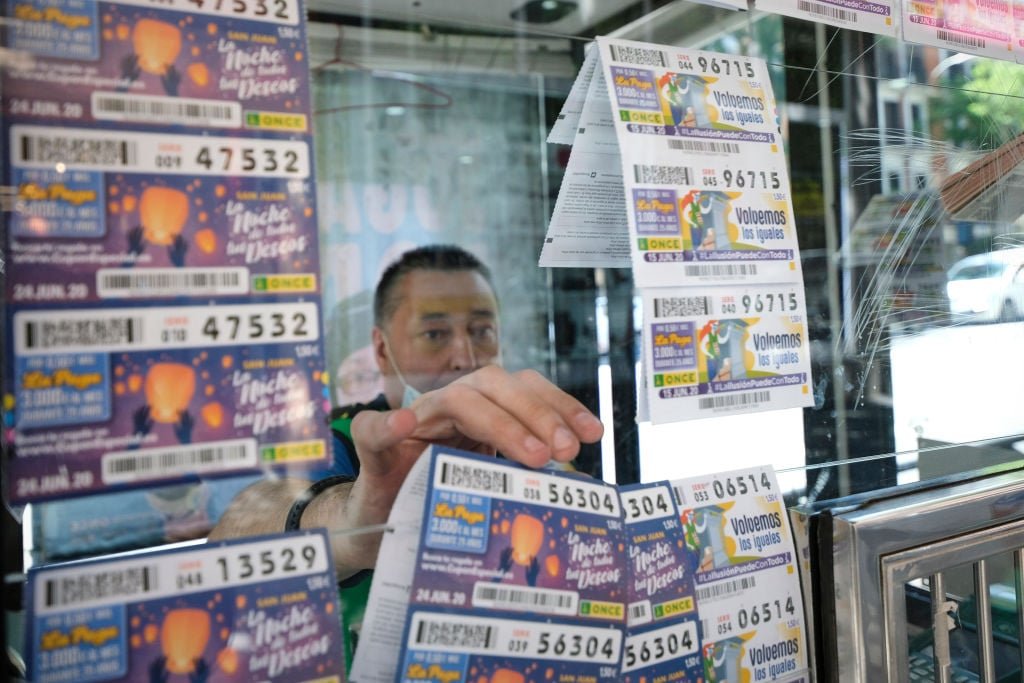
A 79-year-old Spanish widow is fighting to collect a €35,000 (US$40,000) lottery prize after discovering her “sexist” late husband forged her signature to place her on a gambling self-exclusion list 13 years ago.
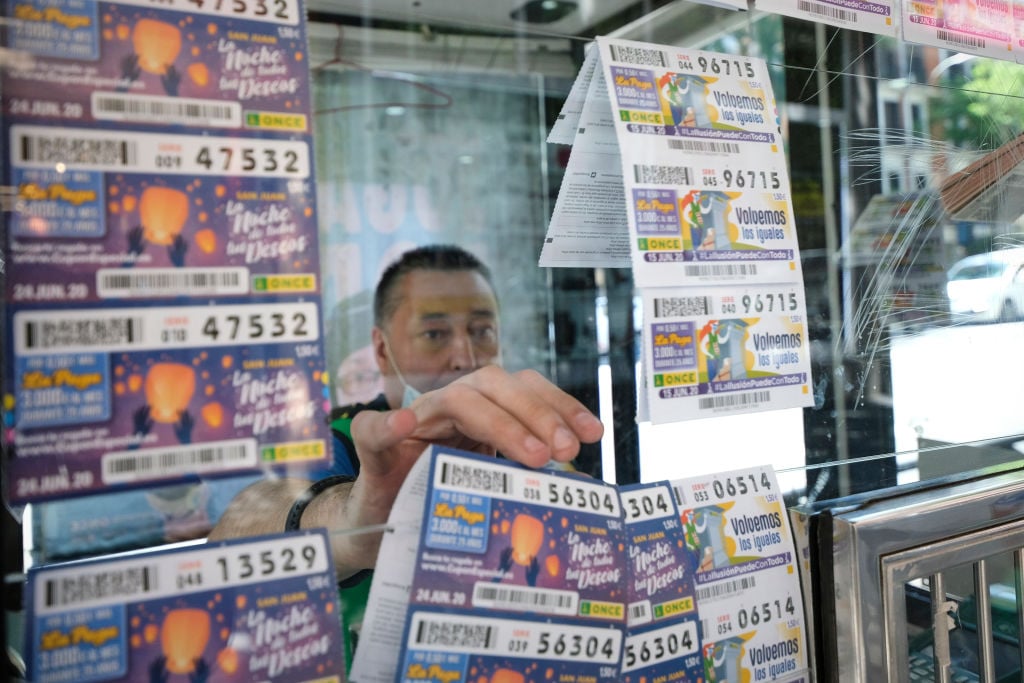
Carmen, from Los Alcázares in the southeastern Murcia region, won Spain’s ONCE Lottery prize in August 2025 and hoped to use the money to fund a long-awaited trip to Portugal, according to El País.
Instead, her bank informed her that the winnings could not be paid because her name appeared on Spain’s General Registry of Prohibited Access to Gambling, the national database of people who have excluded themselves from gambling.
‘Terrible Husband’
Carmen’s family alleges her late husband fraudulently registered her by forging both her identity and signature.
“My father was a terrible husband. He had a sexist mindset and didn’t like my mother going to the bingo hall at the community center with her friends because it left him alone at home,” Carmen’s daughter, identified only by the pseudonym María, told El País. “They had a huge argument about it.”
According to the newspaper, María believes her father submitted a certified letter to Spain’s Directorate General for Gambling Regulation falsely claiming Carmen wanted to exclude herself because she had suffered serious financial losses.
The document, obtained by El País, authorized her husband to file the request on her behalf because she was supposedly suffering a temporary incapacity that prevented her from traveling.
María disputes every aspect of the application, telling the newspaper that her mother had never experienced gambling problems and that the signature on the document bore little resemblance to Carmen’s.
The family also says it contained basic factual errors, including Carmen’s birthplace and the spelling of her surname.
Court Battle
The family is now pursuing the matter through the courts, seeking to overturn the refusal to pay the prize and have Carmen’s name removed from the self-exclusion register on the grounds that the registration was fraudulent.
The lottery operator said it has no discretion to pay prizes to people listed on the self-exclusion register.
A spokesperson told El País the organization would “be delighted” to pay Carmen’s €35,000 if her registration were annulled by the courts, but they added that current law prohibits payment while the exclusion remains in force.
María told El País that her mother, who has Parkinson’s disease, has struggled to understand why she cannot collect a prize she legitimately won and has become convinced that those around her are deceiving her.
“What I want most is for her to have peace of mind and for her to spend all the prize money on travel,” María said.
Recent Comments