
If classroom management is top of mind for you as we begin another school year, you’re not alone. So many educators in our We Are Teachers community tell us they struggle with classroom management and are looking for support. These routines and procedures create predictability for students and keep transitions quick.
Jump to:
Top Tips for Teaching Classroom Procedures and Routines
Jordan Priestley, a veteran teacher known for her strong classroom routines, says her approach to teaching classroom procedures and routines is to start strong at the beginning of the year. “I’m a lot more firm in the first six weeks of school and go over everything 100 times,” she says. “I remember in my third year of teaching, I was told that a classroom should be able to operate successfully without you there. If it can, then you have done your job right!”
Below are a few of Jordan’s favorite tips. For more great ideas and resources from Jordan, be sure to follow her on Instagram at @MrsPriestleyICT.
No task is too small to teach.
Jordan emphasizes that it’s important to remember that students have never had you as a teacher before, and their previous teacher may have done things very differently. So, there’s no task too small to teach. Even learning how to push in chairs or how to sit on the carpet are skills that students will have to learn for your classroom.
Use students as models.
Jordan uses pictures or video reminders of expectations by taking photos and videos of students doing the right thing, then playing them back when it’s time to refresh students on how they should do things.
Make it a game.
For older students, a routines and procedures online game, like those on Blooket, is a fun way to review procedures and reinforce expectations.
Praise the positive.
Make sure you praise students who are performing the skills appropriately. Students need to know when they’re doing something right and that you notice it all year long.
Hand Signals
Hand signals help you and your students communicate without making a sound (read: communicate without interrupting instruction). Teach and reinforce these hand signals to keep your class running smoothly.
Attention
A high-five, peace sign, or any hand signal that works for you is a requirement to get students’ attention. When kids see you raise your hand, they raise their hand and wait silently until everyone has their signal up and you’re ready to start.
Warning
A warning or “check yourself” signal gives kids a nonverbal first warning that what they’re doing is not appropriate. A “stop” sign hand or sign language signal can serve as the first warning for behavior.
Try it: Nonverbal Cues for the Classroom That Really Work
Bathroom break
At some point during a lesson, a student will have to go to the bathroom, so establish a nonverbal signal for it. The American Sign Language sign for restroom works great for this.
Try it: How To Use and Teach American Sign Language in the Classroom
Water
At some point, it will feel like every student needs a water break. Have a hand signal (the sign language W letter) that kids can show you when they’re thirsty. And be sure to have a place to store water bottles that kids bring to class.
Tissues
When it’s cold season (or any season in an elementary school), make teaching easier with a nonverbal hand signal for tissues. We recommend the number one hand signal.
Materials
Just like being able to communicate a bathroom break, having a nonverbal signal for needing a tissue, pencil, or book is another good one to teach.
Agree or disagree
Thumbs-up and thumbs-down are great ways for kids to express their thoughts during discussion. When students use these signals, you can keep the discussion moving by calling on a student to either expand or take the discussion in another direction.
Fist-to-five
A quick nonverbal check for understanding is a fist-to-five. Students hold up five fingers if they totally understand or one finger if they don’t. Before you send kids off to do independent work, do a fist-to-five and pull the students with the fewest fingers in the air for a small-group reteach.
Arrival
An orderly arrival and start of class sets the tone for the rest of the day. Whether you have kids all day or for one period, use these procedures to start class off right.
Classroom greetings
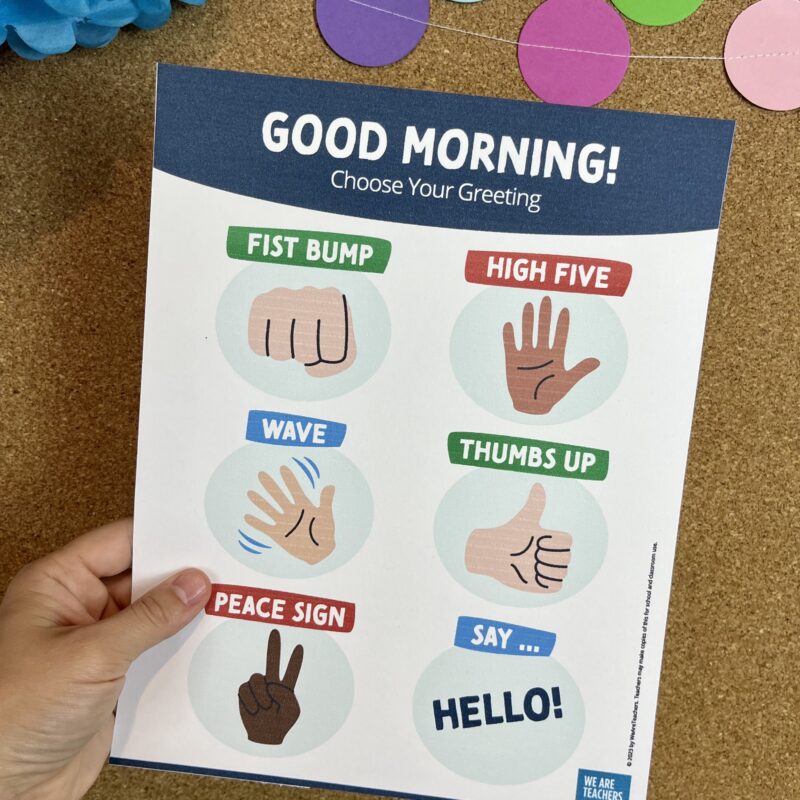
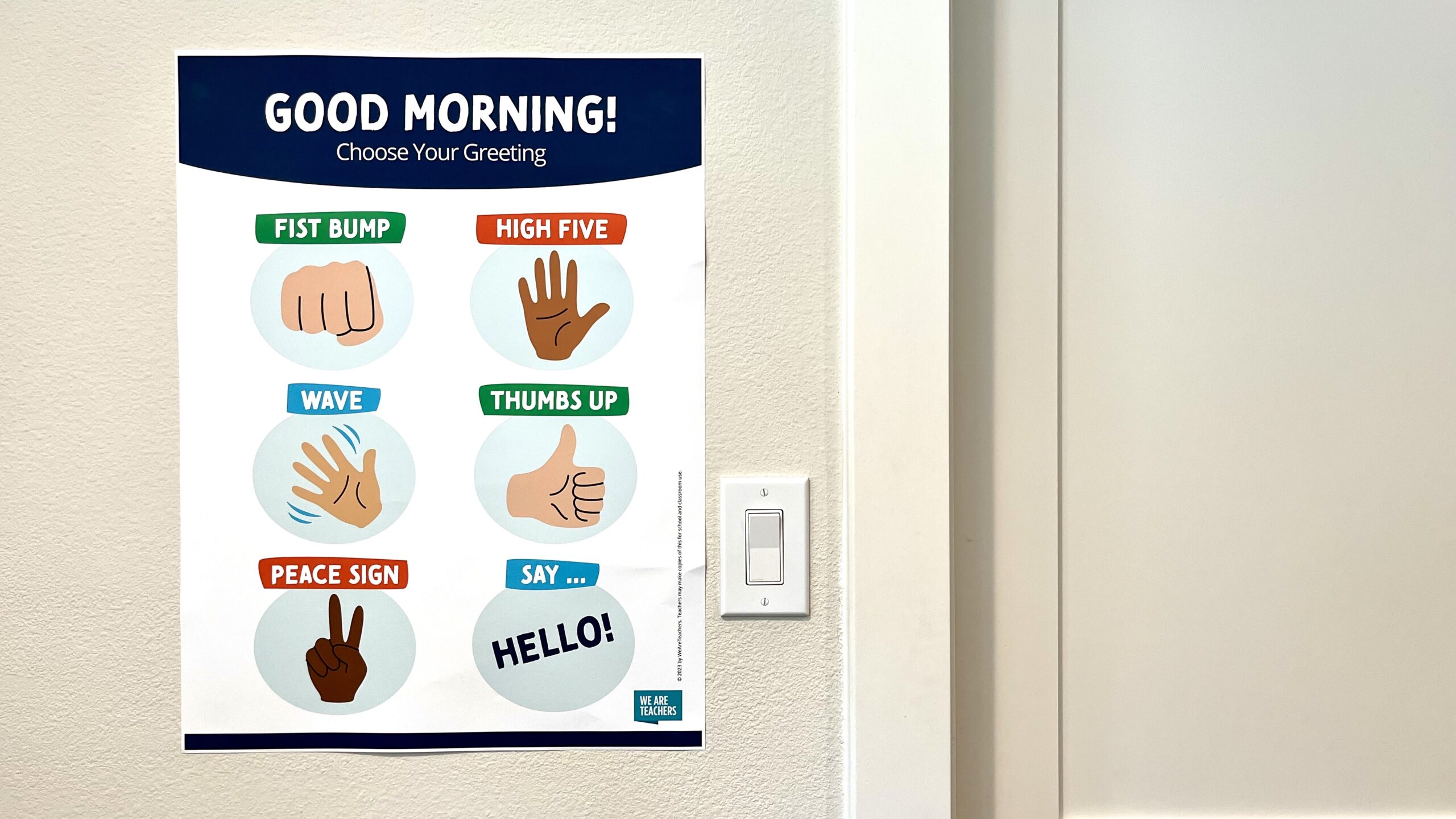
Use this poster to welcome students their way, or create another way for students to greet you and each other.
Try it: Free Classroom Greeting Sign
Put away materials
Have a procedure for how students arrange and organize their materials at the start of the day. Include where their backpacks and lunches go, where they turn in homework, and, when it’s colder out, where they can store extra clothes and boots.
Morning work
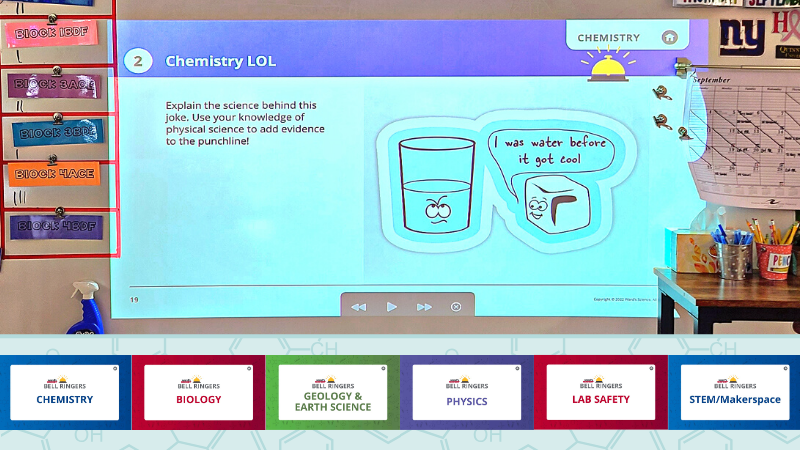
Having something for students to do when they first walk in the door sets the tone for learning. Some ideas for those first minutes of class:
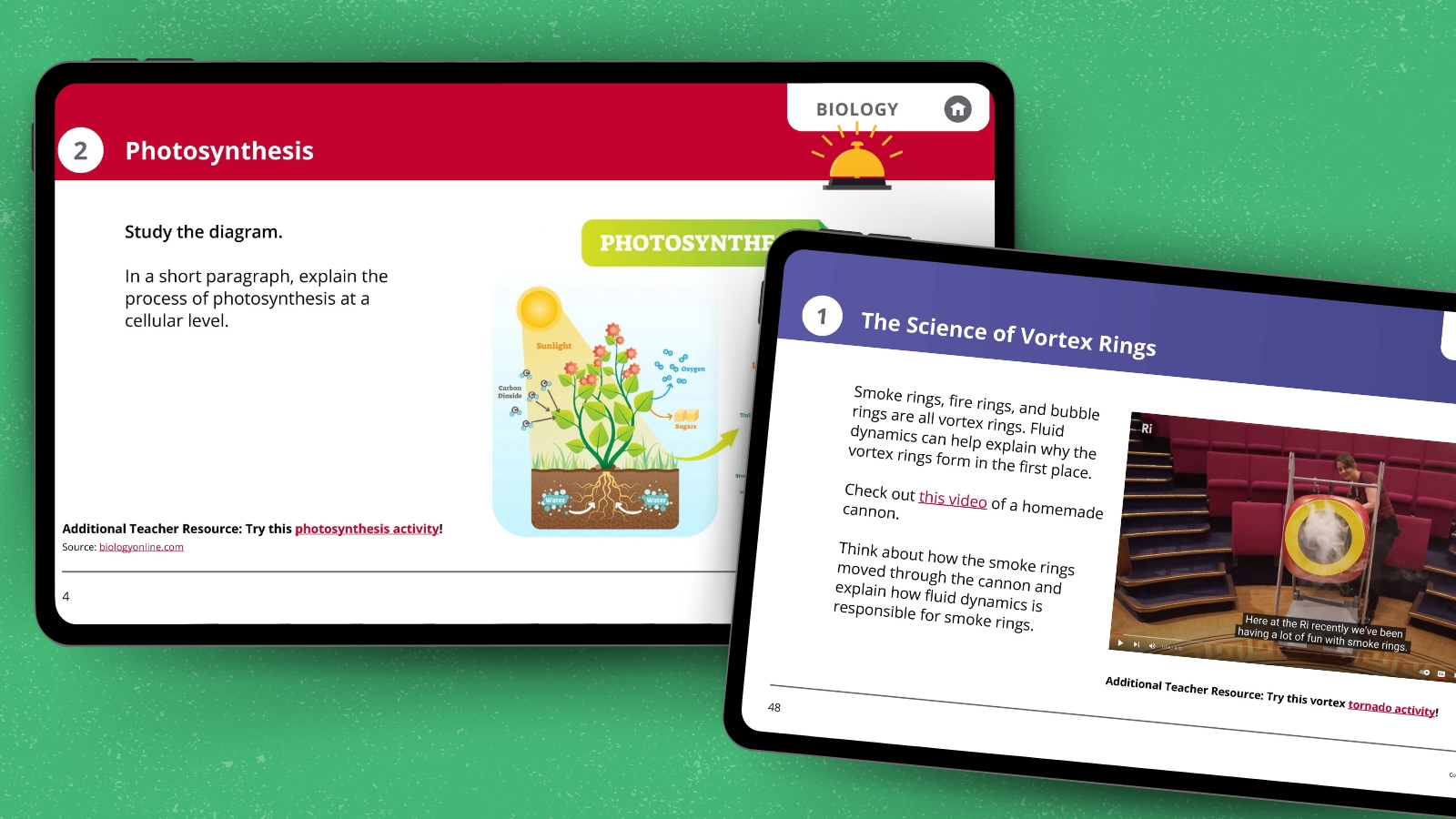
Classroom Organization
An organized classroom is an efficient classroom! Use these routines to keep your room clean and running smoothly.
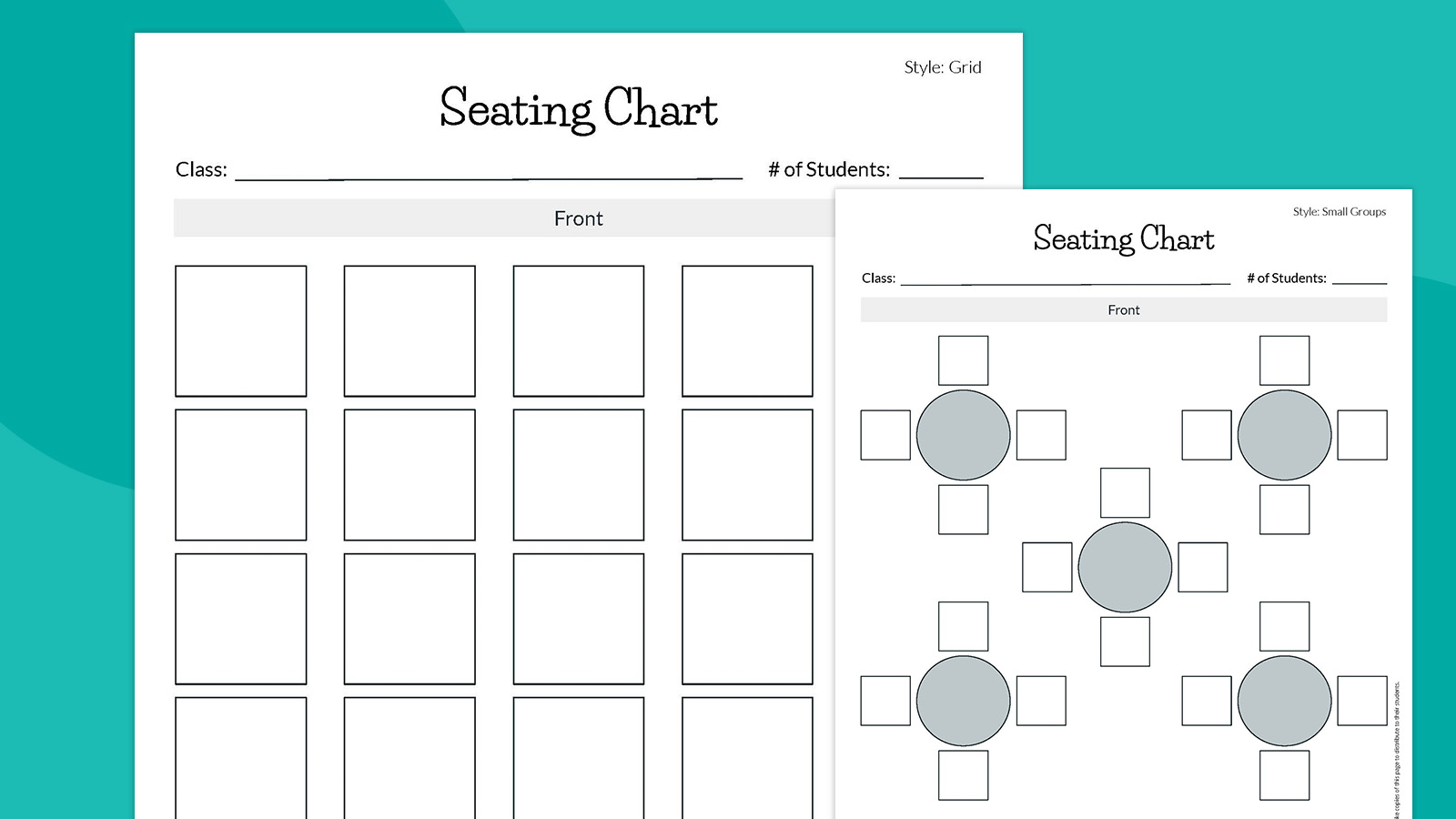
Seating charts
Rows, double E, pairs, Four Square—these are all ways to arrange your classroom. Your classroom routines and procedures will go much smoother if the class is set up to facilitate everything from passing papers in and out to lining up, getting into small groups, and pairing up for think-pair-share.
Classroom jobs
Giving kids jobs helps make classroom procedures run smoothly. Announcer, Botanist, Line Leader, Class Ambassador—there are so many ways for students to help out in class. Assign class jobs so that every aspect of the day is taken care of, and so students have ownership over what happens in your room during the day. Set up a way to rotate the jobs each week, and once students have their preferred jobs, keep tabs on who is doing what so it feels fair.
Try it: Big List of Classroom Jobs
Organization for departmentalized classes
If you teach one subject to multiple classes, have a procedure for how students store their materials. Especially if students share desks, make sure no one is leaving their pencils or books in a desk when another class is going to use it. We suggest having bins for each student or folders for each class to keep materials organized.
Cell phone organization
Having a cell phone charging station solves the problem of students checking their phones during instruction. Set up the expectation that students store phones in the station so there’s no back-and-forth about how much charge they have (their phones charging is not the point).
Try it: Tips and Tricks for Managing Cell Phones in Class
Water bottles
Water bottles range from small to Stanley, and they can quickly take over desk space. Have a clear routine and procedure for where and how to store and access water bottles.
Anchor charts
If you’re teaching the same content year after year, you’ll want to refer to the same anchor charts. Use hangers, rods, or another creative way to store your anchor charts until you need them.
Check out: Awesome Ideas for Anchor Chart Storage
Task boxes
Having a set of boxes with coloring sheets, worksheets, extra practice, and games that students can play quietly or independently gives students a way to stay busy and learning during arrival, dismissal, and other times when there isn’t a defined lesson.
Teacher zone
Whether you’re a type A or type B teacher, you’ll want a space that’s just yours. Create your teacher zone, the space that students are not allowed to touch, and make sure students know the rules around it.
Dismissal
A dismissal routine helps students ensure they have everything they need—homework, notebooks, leftover lunches, and any papers that need to go home. Post a dismissal checklist by the cubbies or lockers so students can reference what they need to leave your class. Some things to include in a dismissal routine are listed below.
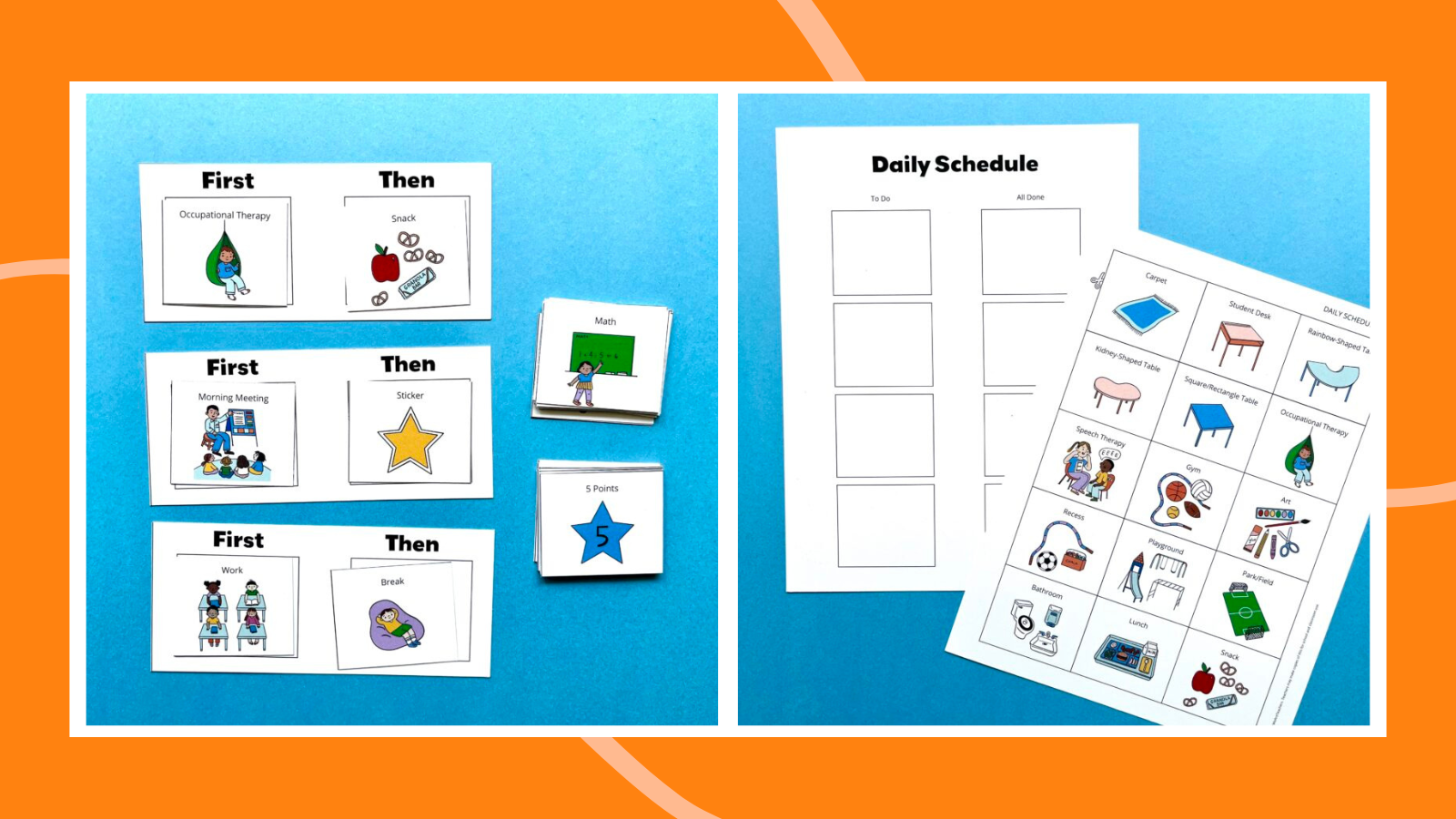
Post a visual schedule
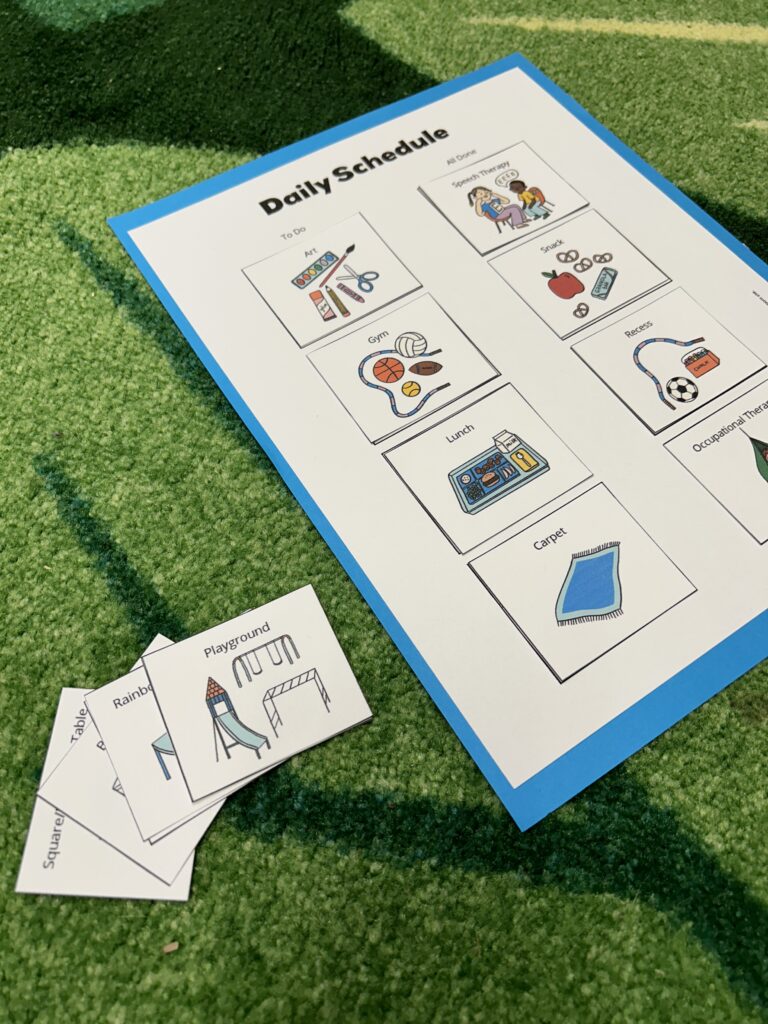
A visual schedule has everything students need to know in a process like dismissal, with clear pictures. These are great for special education classrooms, and they work for all kids who are learning a new routine.
Record homework
Take the last few minutes of class to have students record their homework or announcements in a notebook or planner.
Keep backpacks organized
It’s especially important for younger students and students with executive function challenges to have a clear checklist or routine around what to bring home and how to organize their notebooks, binders, and backpacks.
Tidy up
Students should leave the classroom neat and clean for the maintenance staff. That means putting chairs up, throwing trash away, and any other last-minute tidying.
Lining up
Even older kids like a fun lineup strategy. Use songs, friendly competitions, and more to teach students to line up quickly and quietly.
Try it: Genius Lining-Up Strategies
Use line-up as a check-in
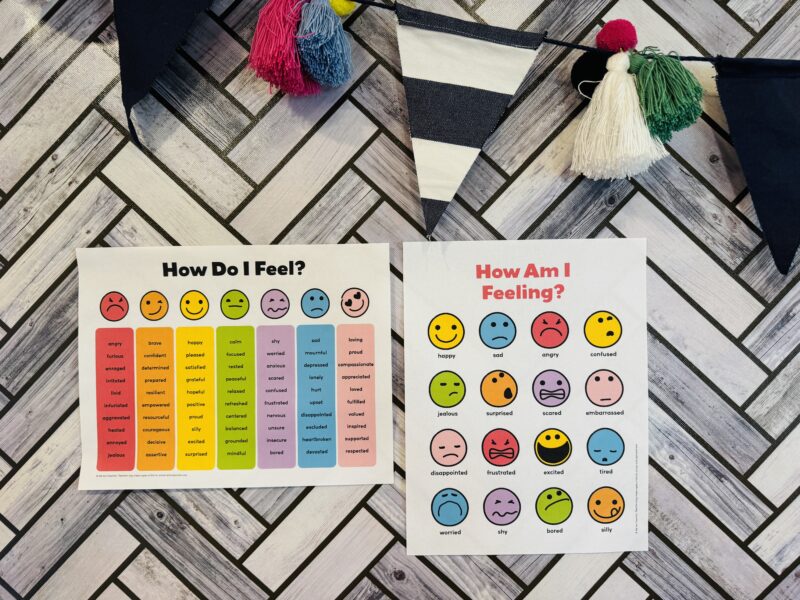
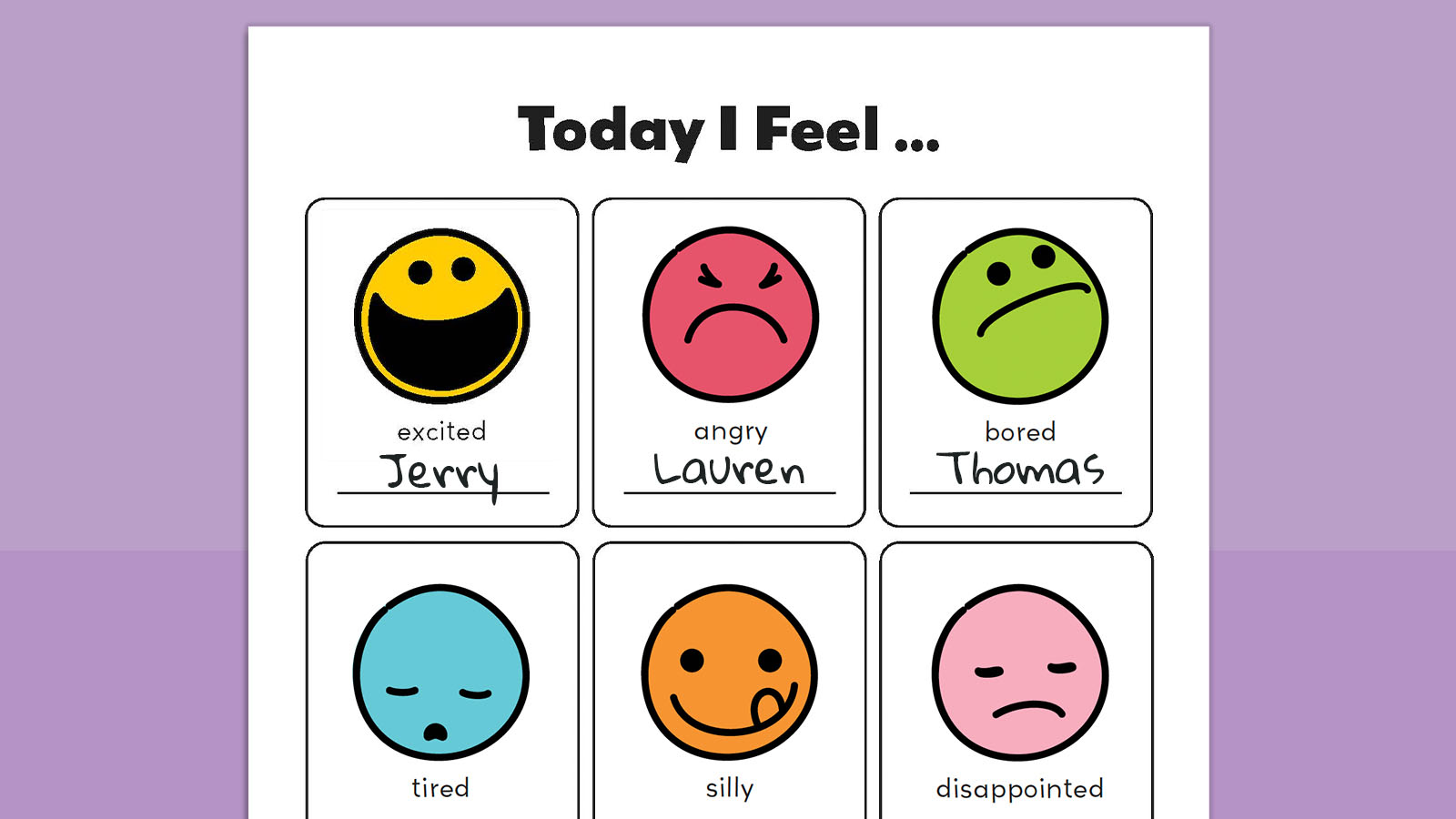
Have students identify how they feel as they enter or leave class by posting feelings cards by your door and asking students to do a quick check. It’s a good way for you to learn how students are doing as they start your class.
Bathroom Routine
Don’t overlook bathroom routines at the start of the school year (and after long breaks). Teach how to ask to go to the bathroom, how to transition out of the classroom, and expected bathroom behavior.
Signing out
Have a nonverbal signal and a sign-out sheet (with times for older kids) to keep track of who is out of the room when.
Hall pass
Make sure you have a hall pass (that’s easy to clean) for students to use if they have to walk through the hallway to get to the bathroom.
Try it: Creative Bathroom Pass Ideas
Signing back in
If students miss instruction or work time, make sure they know how to get back on task quickly. They can ask a friend for help or refer to a specific place in the room to see which page you left off at.
Try it: Teach school bathroom routine and procedures.
Classroom Transitions
Transitions can be challenging for so many of our kids. Teaching and reinforcing transition expectations helps all kids understand what’s coming next.
Countdown or timer
Manage transitions with timers or countdowns. Prompt students with 15-, 10-, and 5-minute reminders, and reinforce the routine with visual timers that show red-yellow-green depending on how long students have, or that show a colored amount depending on the time available.
Try it: Best Classroom Timers and Unique Online Timers
Movement breaks
If you have a few minutes between activities, incorporate movement breaks to get students’ blood moving. Yoga poses or deep breaths are great ways to help students shift from one activity to another.
Try it: How To Use Transition Times for Mental and Emotional Health Check-Ins
Use songs
Songs can change the mood of a class and help students transition from one place to another on time (and without talking, since they’re listening or dancing along). Have students choose their favorite song from our list of school-friendly songs and keep them on hand for transitions.
Recess
Classroom procedures for leaving for recess and lining up when recess is over are important for safety and to minimize the time that you spend blowing on a whistle or yelling across a playground.
Boundaries
Students must know the areas they can stay in and how to know they’ve gone too far.
Equipment use
Teach students how to use your school equipment, even if it seems obvious to you.
Sharing the space
Teach and reinforce how to wait for a turn. One way is to teach students to be “active waiters” with a quiet activity, like a hand-clap game or I Spy.
Cleanup
Where does the gym equipment go? Where should students throw trash? Have procedures for cleaning up at the end of recess.
Lining up
Use a whistle or other noise to prompt students to line up. You may also want to ring a bell when students have five minutes left.
Emergencies
Recess is a place where there can be tons of emergencies, so make sure students know what to do if someone gets hurt or if they see an emergency about to happen.
Indoor recess
It’s bound to happen—rain or snow will keep you inside for recess. Have a plan that students know from the beginning of the year so you aren’t scrambling when the day comes, and you can get some relaxation in your day too.
Try it: Best Indoor Recess Games
Calendar and Special Events
Students want to know what’s happening and what’s coming up. Having an organized calendar and talking about upcoming events, from ice cream day to field trips, helps the school year go smoothly.
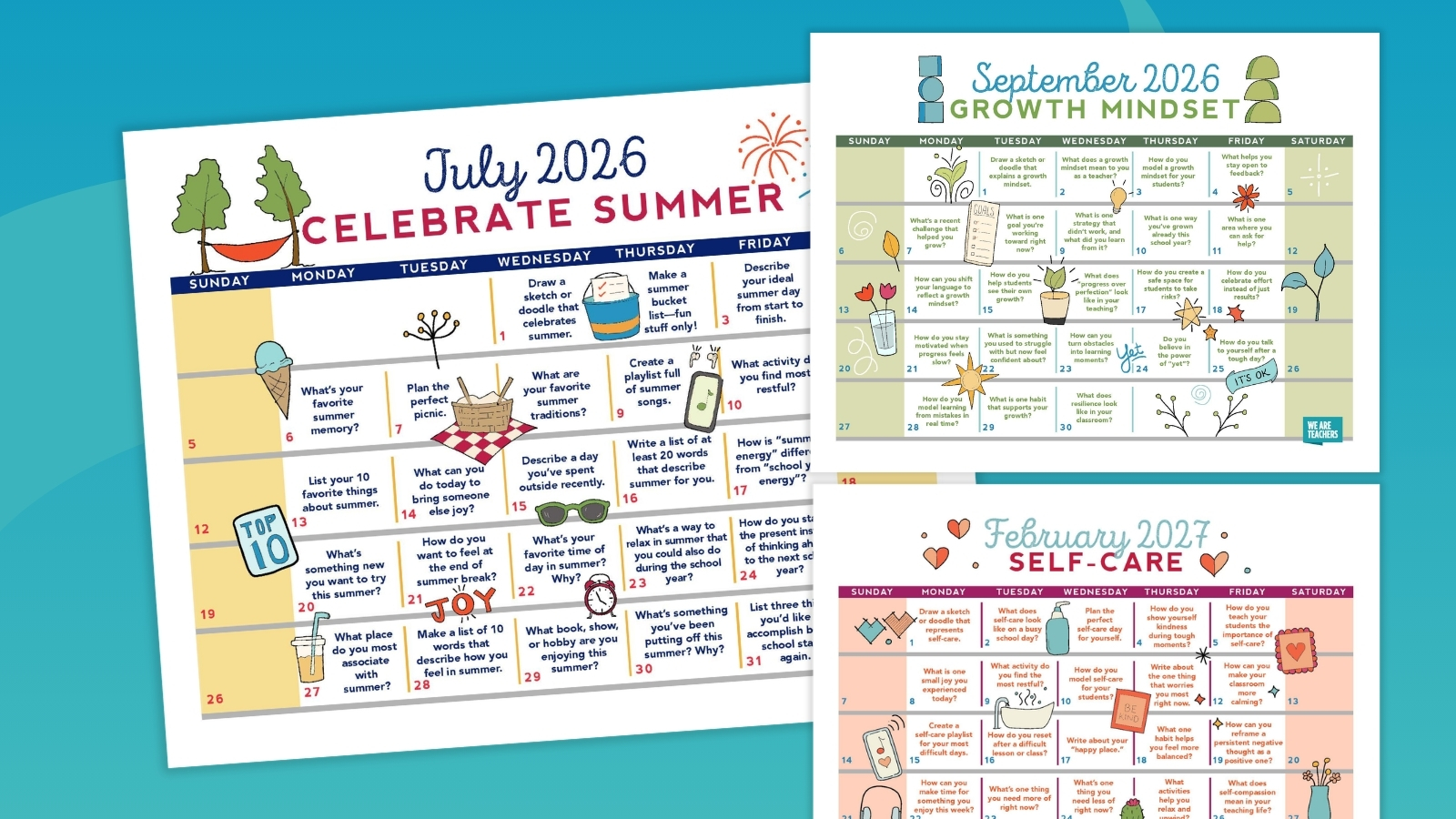
Post and share the calendar
There will be months when it feels like school events—dances, dress-down days, field trips—are the most-asked-about topic. “I post a calendar on the inside of my door with that month’s important events,” says Tova R. “When students need to know when something is, they go to the calendar.” Paper and pen not your jam? Google Calendar makes it easy to share a digital version too. “I train my students to use Google Calendar and model how I use it too,” says Tamara R. “Once a month we have a housekeeping session where we annotate and revise important dates and events.”
Classroom guests
Teach the procedure for classroom guests before your first guest arrives, whether it’s a principal, instructional coach, or mystery reader. Teach students how to greet a guest (maybe have Guest Greeter as a classroom job), how to get attention from the guest, and where guests sit.
Substitute teachers
Speaking of guests, make sure students know the procedures and expectations when there is a substitute teacher. Things like having a greeter or classroom manager can help a substitute know exactly what to do. And having a classroom with routines that run like clockwork will make any sub’s day easier.
Technology
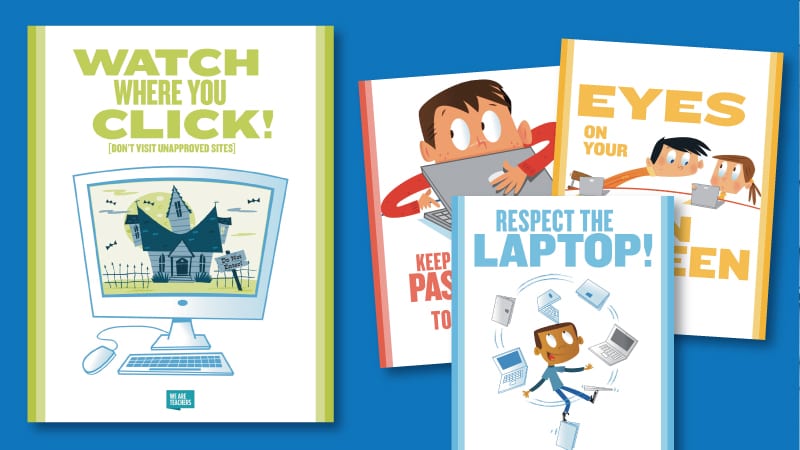
Classroom tech can be a huge distraction if kids don’t know the rules. Teach students computer and tablet rules in the first week, including how to take out, put away, and care for tech.
Research rules
If you teach older students or students who will be researching, it’s never too early to talk about how to research, whether to use AI or not, and how to vet sources. Research and search procedures are skills that students have to learn and will use often, so make them part of your routines.
Tech etiquette
Teach students how to communicate online and how to share a screen or work together on a project. Students need just as many routines and rules for working online as they do in person.
Managing devices
Make sure students know how to charge devices and how to handle shared devices.
LMS procedures
Whichever learning management system you use, students need to have procedures for how to turn in work, manage their assignments, and collaborate.
Managing files
If you and/or your students are saving and sharing files, create a system for how to save files and how to store them. Make sure students are learning the ins and outs of online organization—it’s a lifelong skill!
Turning in Work
Managing student work can become overwhelming fast! Keep papers organized with these routines.
Pass it in
Decide how you want students to hand in work. Should they pass it forward? Should student leaders collect it? However you approach this, make it as efficient as possible.
Date-stamp students’ work
This procedure is as much for teachers as students. Get a date stamp and stamp the work that comes across your desk. Then, there’s no argument about which work came in on time. “I stamp all work as students hand it in to prove who has late work,” says Missie B. “A couple of years ago, I had students sneak assignments into the tray late before I had a chance to pull them out or say they turned things in when they didn’t. This took care of both of those problems.”
Turn-in trays
Turn-in trays allow for more independence from your students and easy paper sorting for you. Some teachers use different trays for different subjects/classes, while others prefer one slot/tray for each student.
Try it: Ideas for Turn-In Bins
Highlight names
Before you have students pass papers in, tell them to highlight their name. “The no-name papers will disappear,” says Kristin B.W.
Work Time
Here are ways to manage time, hall passes, and other routines you need for the school day to go well.
Use a visual timer
A Time Timer or visual timer shows how much time is left in an activity, letting students answer the “how much time do we have?” question on their own.
Try it: Best Timers for Teachers and Students
Manage noise
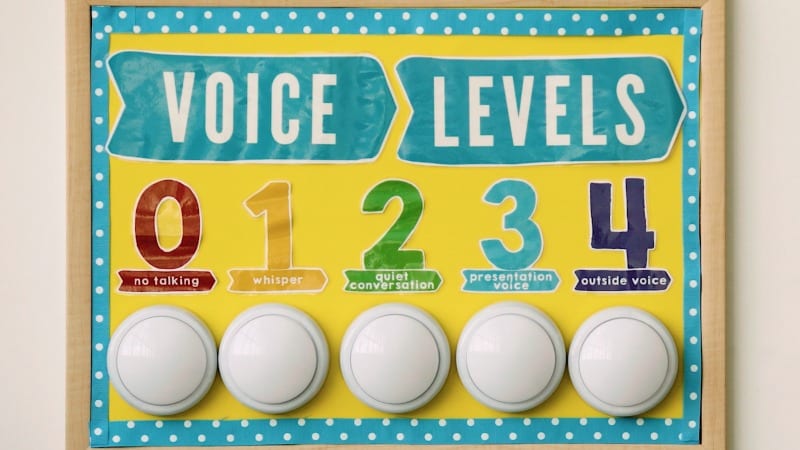
Use a noise meter to communicate just how loud students should be speaking, and teach them noise levels at the start of the year.
Try it: Best Noise Meters for Your Classroom
Hall passes
Having a hall pass that works for your class will make your day infinitely easier, as students will know if they can leave your class, and other teachers will know the students are permitted to move around the school. Teach students when it’s OK to take the hall pass, how to communicate with other teachers when they are running an errand, and how to return your hall pass when they get back.
Try it: Hall Pass Ideas
Center work
When students are working in predictable rotations, make sure they have a routine for how to complete each station and how work will be checked. The more routine reading or math centers are, the more productive!
Cozy corner
If you have a cozy corner for students to use to calm down, teach them how to use it before self-regulation becomes a problem. A cozy corner should be productive and help your classroom management—it shouldn’t be a place where students go to escape work.
Stations
If you have a space that students enjoy using or stations they rotate through, have a routine for who gets to use it and when. One idea: Give each student a clip with their name on it. Students clip their name to the station sign they are going to go to. When that station is full, students have to choose another station.
Asking for help
There are lots of ways for students to ask for help, so think about how you want kids to communicate that they either get it or are completely confused. One way is to have each student place three cups—one red, one yellow, and one green—on their desk in a stack. If they understand, the green cup is on top. If they are confused and need help, they put the red cup on top. That way you can quickly scan the room and know who to check in with.
High-quality work
As you teach students the expectations for grade-level work, create a small checklist that they can refer to and post it at their desk or in their notebook. Then, they can check their work for quality. Capitalization? Check. Punctuation? Check. Full sentences? Check.
Give feedback on student work
Get a set of self-inking stamps that you can use to give feedback on student work. Or for students who are working on completing work independently or improving behavior, use rubber stamps that address common concerns as well as data tracking for students with IEPs.
Attention-getters
“Class, class!” “Yes, yes!” The way you get students’ attention can be a hassle or a breeze. Teach a few core call-and-responses to get students’ attention in the first weeks of school and use them all year long.

Voice level
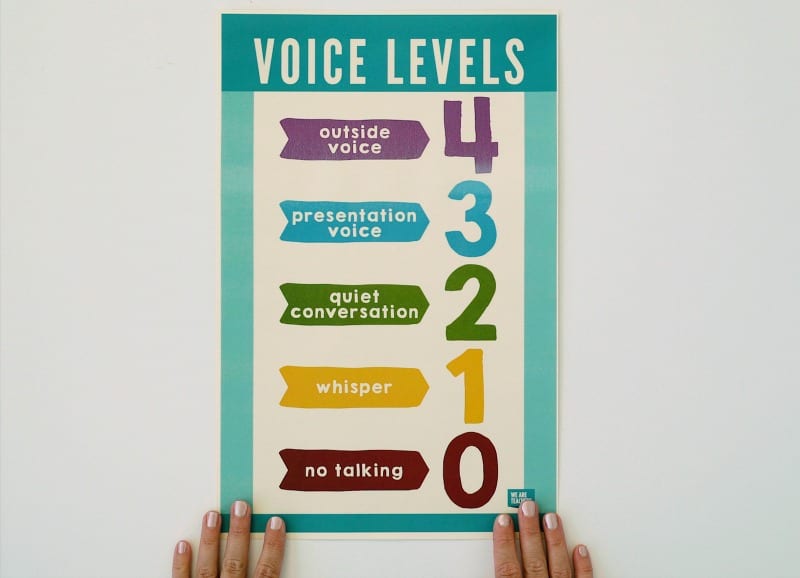
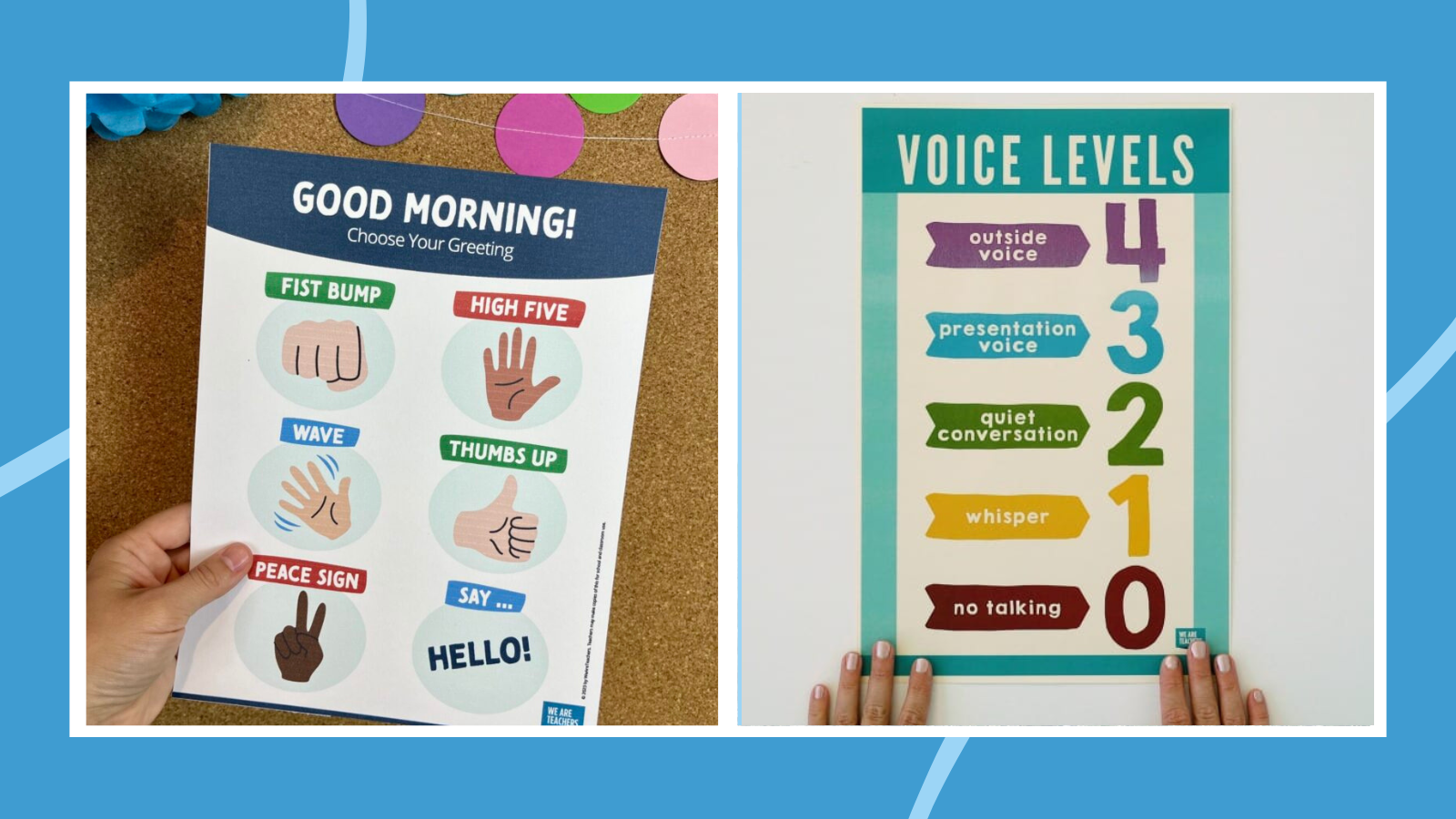
Communicate just how loud students can be during work times (partner work is a 2, independent work is a 1, testing is a 0), and reinforce it with a poster that you can point to. If you print out our voice-level poster, post it in your classroom or cut the levels and put them on note cards to remind students of how loud they should be in the hallway or at an assembly.
Early finishers
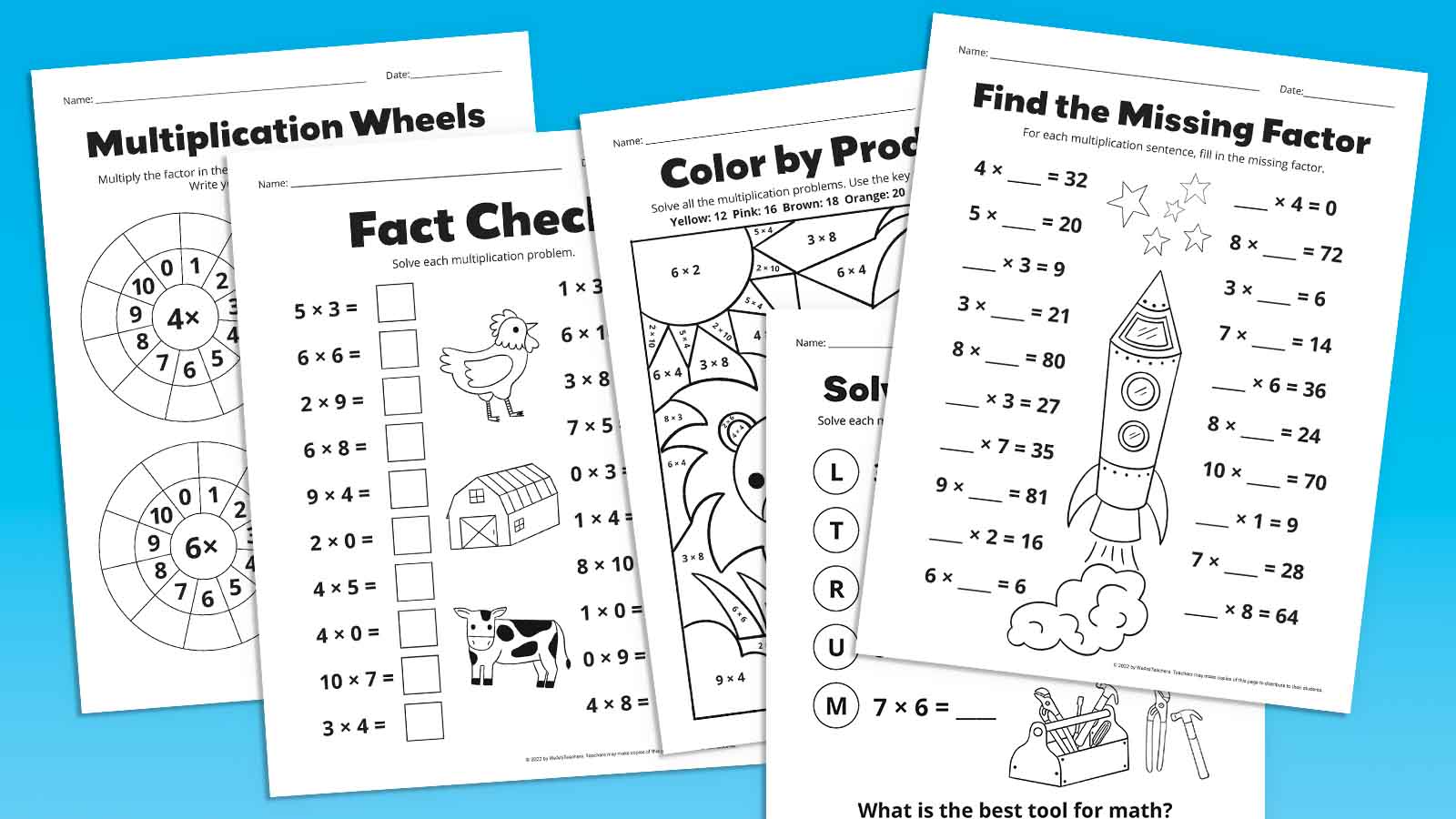
Establish what students who are finished early should do. STEM bins, math practice, or simply independent reading are all great options for kids who finish early. Teach students how to choose an early-finisher activity so they don’t have to ask you what to do. You can even set up an early-finisher corner with materials and printables ready to go.
Try it: STEM Bin Ideas, Free Printable Multiplication Practice Worksheet Bundle, Printable List of Famous Children’s Books
Missing pencils
Keeping track of pencils isn’t a problem in September, but wait till February or June. Combat missing pencils early by posting three or four pencils on a bulletin board or corner of your whiteboard. Write “It’s been __ days since a pencil went missing” on the board and keep track of the days since a student has lost a pencil. Students can borrow a pencil, but they also need to reset the count.
Try it: Ideas for Pencil Organization
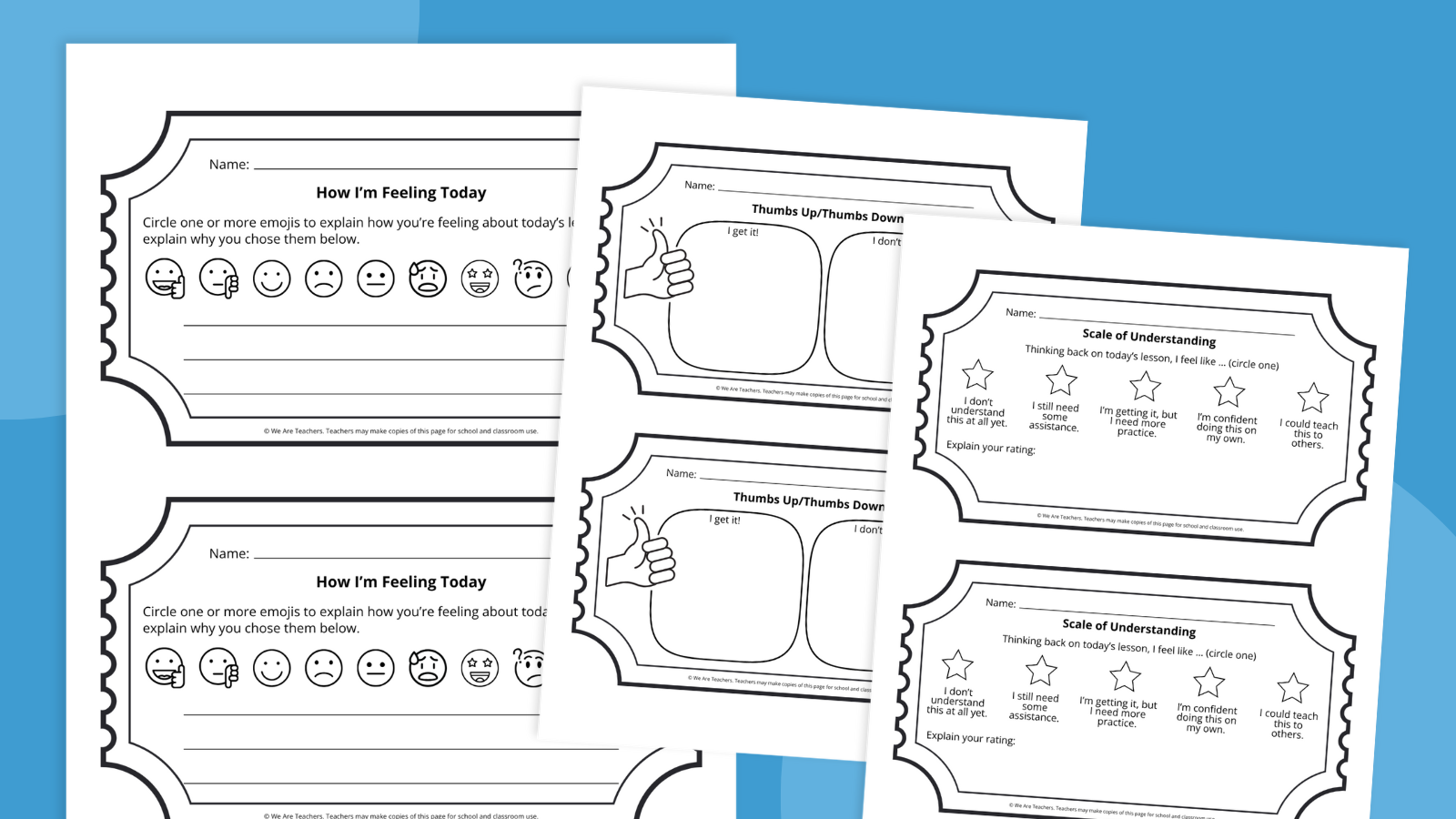
Exit tickets

Have a set format for exit tickets so students can focus on what you’re asking them to show. And create a predictable way to collect exit tickets so students can spend their time showing what they know instead of figuring out how to pass it in.
Grouping students
If students are going to be working together at all, you’ll save time by having quick procedures to move them from whole group to pairs or teams. One idea: Use pairs of cards to have students match up with their partner. Another idea: While students are seated, place a colored button (one color per group) on each desk. Then, have students stand and find the people who have the same-color button. After they’re finished, have students return the buttons to a jar up front. You can use buttons or any other materials (colored sticks, tiles, etc.).
Try it: Clever Ways To Put Students Into Groups
Calling on students
Have a way to call on students randomly. This could be a random name generator or a cup of Popsicle sticks with students’ names written on them.
Check for understanding
Thumbs-up or thumbs-down. Five fingers. Whiteboards. Find the check-for-understanding procedure that works for you and teach it early in the year. You’ll spend more time figuring out what students know rather than reviewing what they should do.
Try it: Creative Ways To Check for Understanding
Testing Procedures
The last day to teach testing procedures is the day of a high-stakes exam. Teach students the procedures they need for successful test-taking and how to maintain a calm testing atmosphere.
Testing materials
Teach procedures for passing out materials and keeping students’ space organized and free of distractions.
Testing environment
Usually, students have to be quieter and more respectful on testing days, especially when other classes are testing at the same time. Have a noise meter and signals to remind students to be silent.
Getting your attention
Asking for help or for permission to go to the restroom or sharpen a pencil may be different on test day, so students should know the signals they can use to communicate their immediate needs.
Finishing a test
Students should know what to do when they are finished with a test: how they get your attention, pass their materials in or log out of their computers, and what they can do when they’re finished.
Emergency Procedures
It’s important to teach and reinforce the procedures that you want students to follow in an emergency situation, though these may vary depending on where you live and the risks in your area. Post emergency routines where students can see them with these emergency posters.
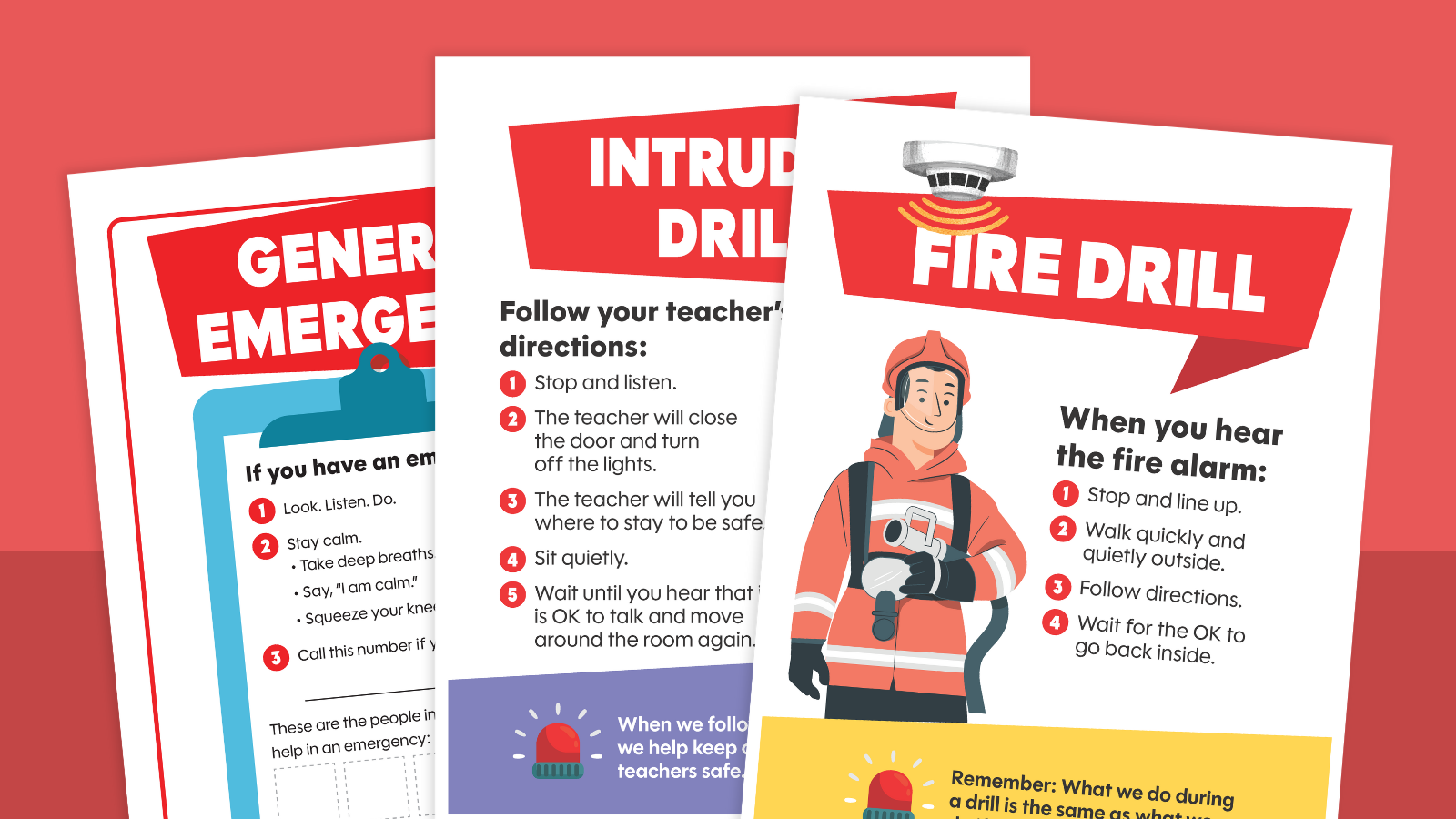
Fire drills
Schools have fire drills regularly, so teach students how to quickly line up and file out of the school.
Intruder drills
Intruder drills are another common practice in today’s schools. If you have an intruder, every student has to understand what to do and be able to respond to directions quickly.
Tornado or earthquake drills
Depending on where you live, tornado and earthquake drills may be important to practice.
Ways To Reinforce Your Routines
Classroom routines don’t have to be boring or tedious. Use classroom themes and visuals to make them fun and a seamless part of your day.
Organize classroom procedures around a theme
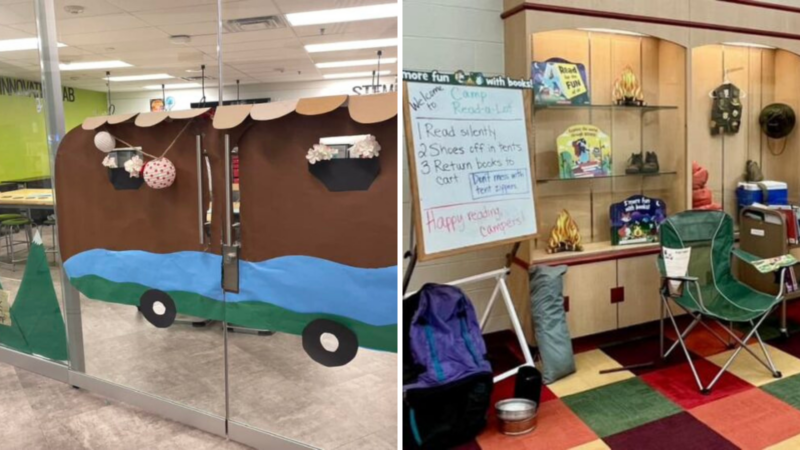
Choose a classroom theme and get creative. If your theme is “Under the Sea,” have seashells on the wall where students can post exit tickets, an octopus cell phone charging station, and a paper-return tray decorated like a coral reef.
Try it: Our Favorite Classroom Theme Ideas
Post a visual schedule
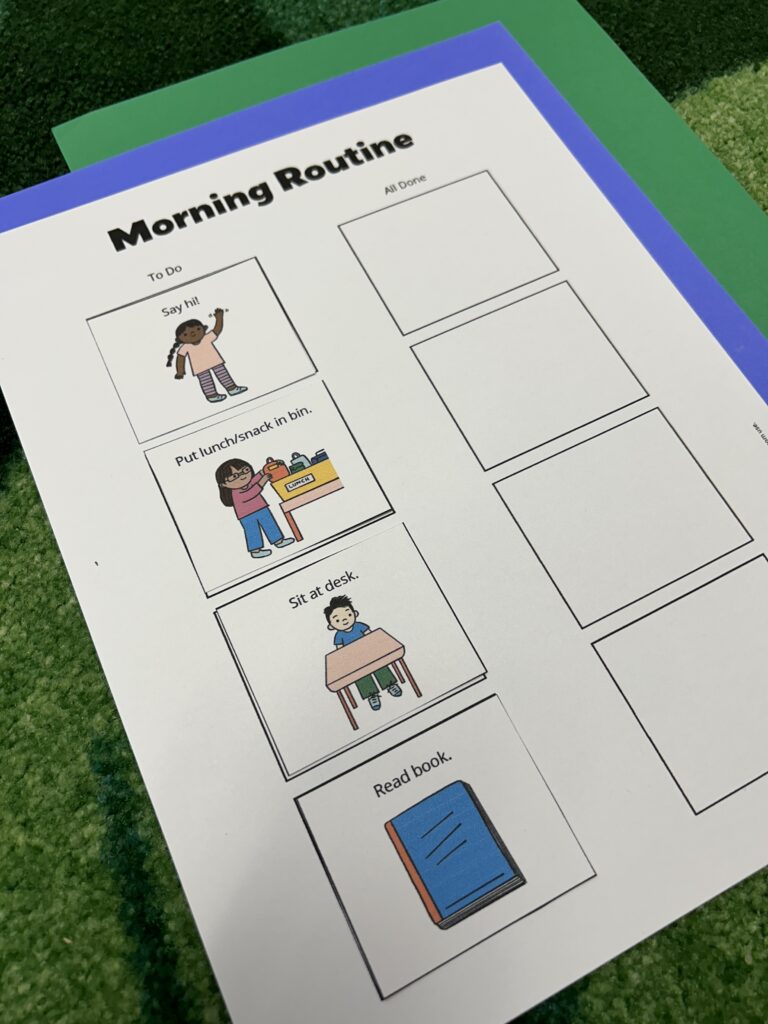
A visual schedule outlining your classroom procedures is a great way to help students know what’s coming next. And for students who process visual information easier than auditory, it’s helpful to be able to see the schedule and refer to it throughout the day. An individual visual schedule for a student with autism or processing needs can help them move throughout the day as well.
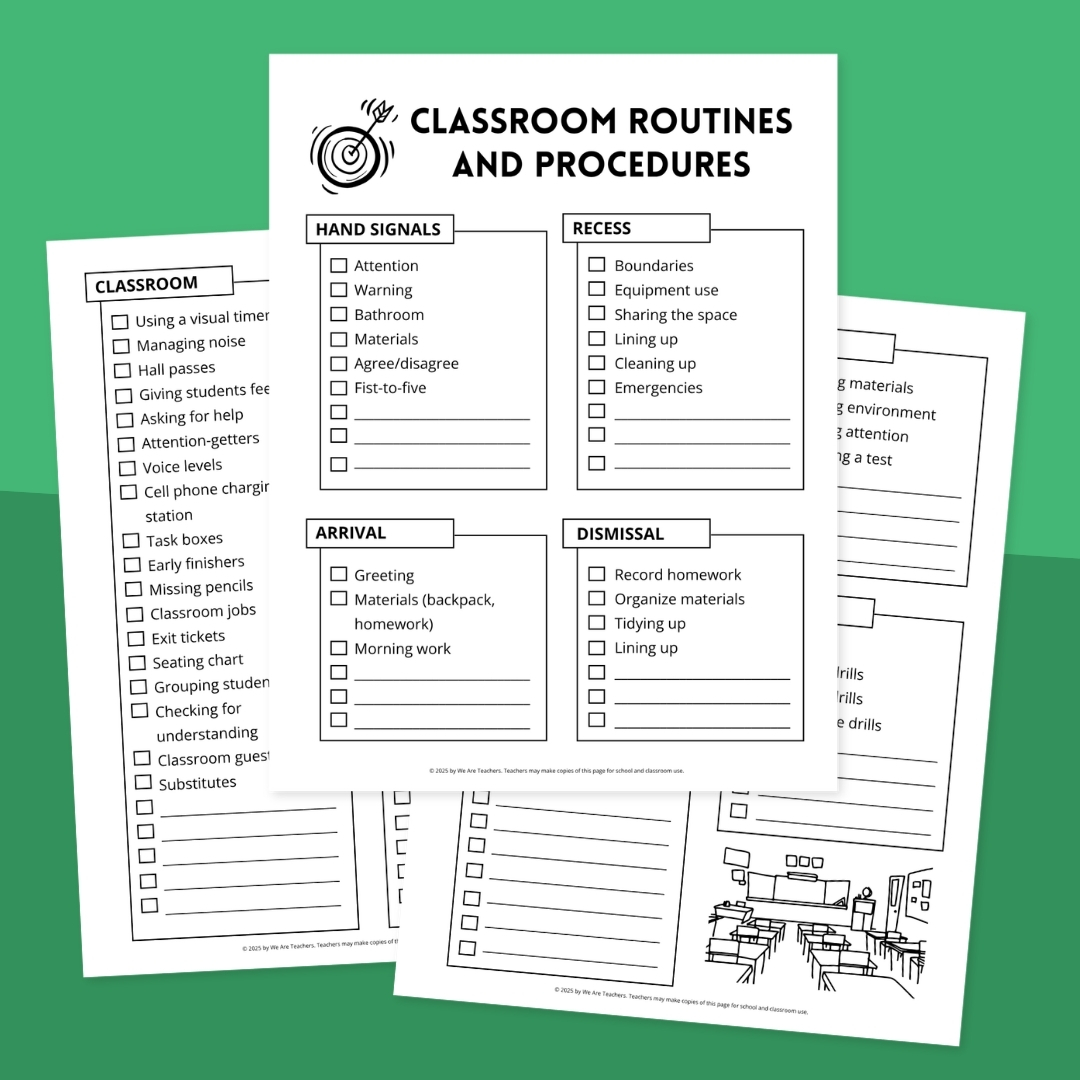
Get your Classroom Routines and Procedures printable checklist!
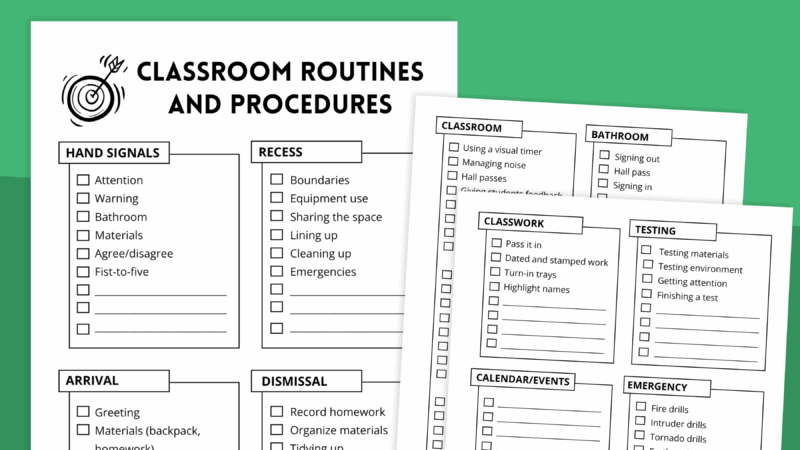
We’ve made it easy for you to implement all of these routines and procedures into your classroom with our convenient checklist. Plus, there are fill-in-the-blank boxes for you to personalize to your content. Just follow the link below and fill out the form to get yours.
Recent Comments