
Freedom was once an exclusive party, and not everyone received an invitation. Though the ancestors of African Americans laid the bricks of the nation’s foundation, they were not on freedom’s guest list. This is why I cherish my freedom—because I know that freedom was not given, it was earned. And it’s also why, as an educator, I know that sharing meaningful Juneteenth activities with students is so important.
Jump to:
What Is Juneteenth?
America realized that all of its citizens, including African Americans, were VIPs (very important people) in 1863. President Abraham Lincoln issued the Emancipation Proclamation on January 1, 1863, as the nation approached its third year of bloody civil war.
The proclamation declared that “all persons held as slaves” within the rebellious states “shall be then, thenceforward, and forever free.” Juneteenth, a significant American holiday, commemorates the day when Union soldiers brought the news of freedom to the last remaining enslaved African Americans in Galveston, Texas, on June 19, 1865. This pivotal moment in history marks the end of slavery in the United States and is a time for reflection, celebration, and education.
Juneteenth Activities
Schools play a crucial role in the celebration of Juneteenth by teaching students about the importance of Juneteenth and its historical context. By incorporating Juneteenth activities and lessons into the curriculum, educators help students understand the significance of freedom, equality, and the ongoing struggle for civil rights.
Educators encourage Americans to remember that all citizens deserve to be at the nation’s celebration of freedom. We are stronger together, and let’s be honest, ain’t no party like a freedom party with fun, fireworks, food, and our full extended American family.
Here are 20 Juneteenth activities for K–12 students, differentiated by grade level from K–2 through high school, to help students understand and celebrate this important holiday.
1. Freedom honors: Juneteenth award show project
Students design an award show recognizing individuals who contributed to freedom and justice. Students research historical figures, create award categories, write short acceptance speeches or presenter scripts, and celebrate the people whose courage and leadership helped move the country closer to equality.
- K–2: Draw awards and choose helpers/heroes.
- 3–5: Create categories and simple criteria.
- 6–8: Research real figures and justify award choices.
- 9–12: Develop full award frameworks, speeches, and historical justification. Design the award/trophy.
2. Recipe for freedom: Juneteenth cooking class
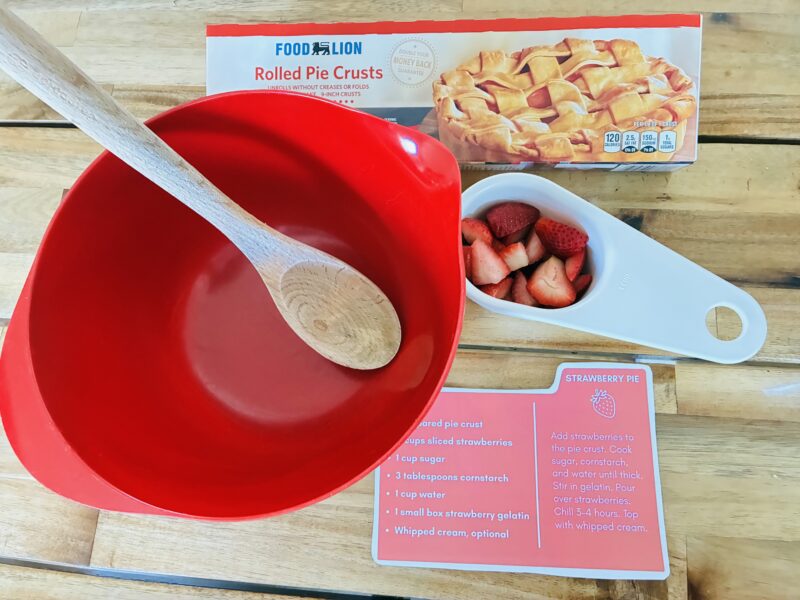
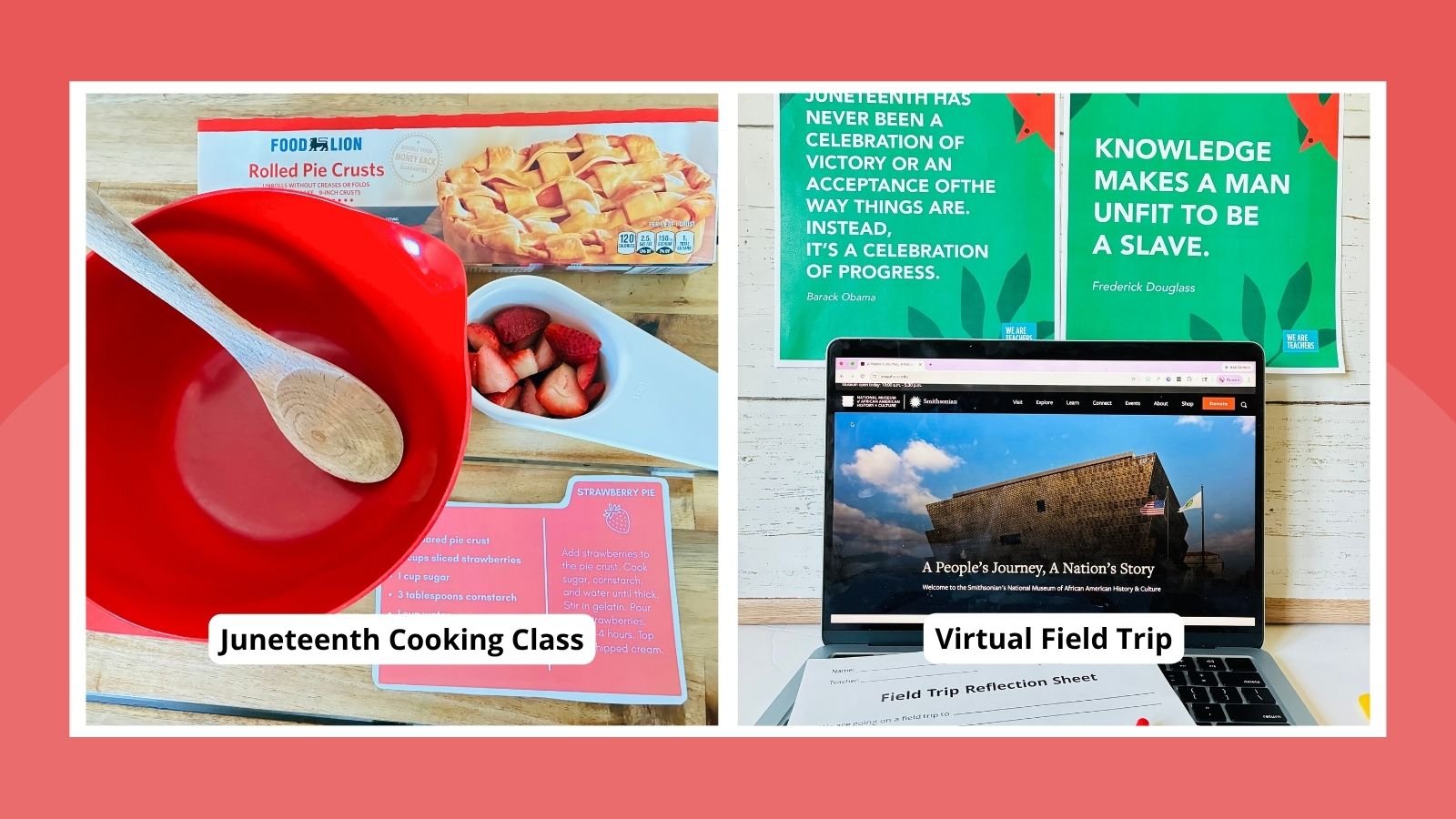
First, students will create their own recipe for freedom as a writing assignment. Teach students to cook traditional African American dishes that are enjoyed during Juneteenth celebrations.
- K–2: Provide simple recipes and supervision for cooking activities.
- 3–5: Guide students in preparing more complex dishes, discussing the cultural significance of each.
- 6–8: Encourage students to research and present on the history of the dishes they are preparing.
- 9–12: Assign students the task of creating a Juneteenth cookbook with recipes and historical context.
3. Freedom box: Juneteenth mini-museum experience
Students create a mini-museum (shoebox/tissue box) inspired by virtual visits to museums like the DuSable Black History Museum and Education Center, National Museum of African American History and Culture, and Two Mississippi Museums to showcase Juneteenth learning.
- K–2: Create simple dioramas with drawings and labeled objects representing freedom.
- 3–5: Include captions and short written explanations of each artifact.
- 6–8: Incorporate researched artifacts and written placards explaining significance.
- 9–12: Curate a themed exhibit with a central thesis and historical analysis.
4. Road to freedom: Living timeline of Juneteenth
Students construct a timeline from the American Declaration of Independence to Juneteenth, analyzing key events leading to emancipation. By physically arranging themselves or event cards in chronological order, students see how freedom unfolded over time and why Juneteenth is such a significant milestone in American history.
- K–2: Sequence three to five major events using pictures and simple captions.
- 3–5: Build timelines with dates and brief explanations.
- 6–8: Include cause-and-effect relationships between events.
- 9–12: Develop analytical timelines incorporating primary sources and historical context.
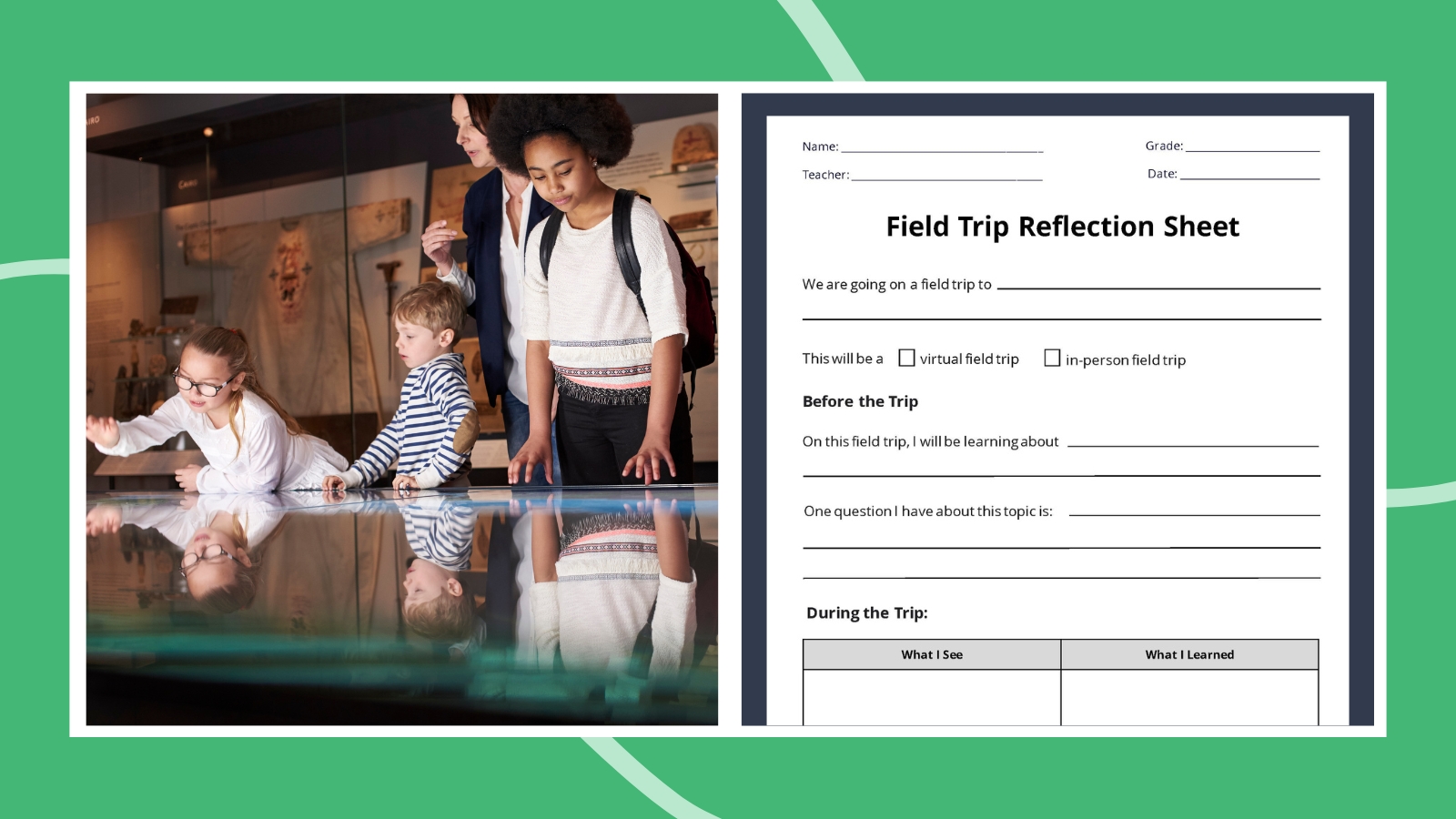
5. Virtual field trip
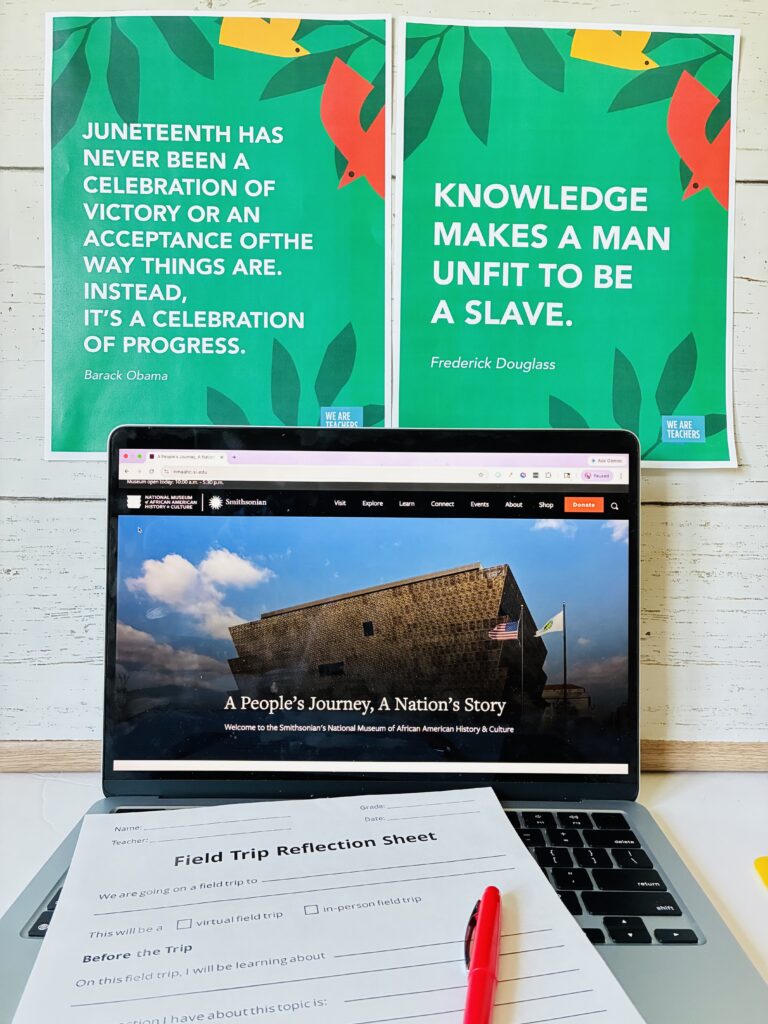
Take students on a virtual tour of historical sites related to Juneteenth, such as the Galveston Island Historic Seaport. As students explore important places, images, artifacts, and stories, they build a stronger understanding of where Juneteenth began and why place matters in understanding history.
- K–2: Provide a virtual tour with simple explanations and visuals.
- 3–5: Offer interactive virtual field trips with guided questions.
- 6–8: Encourage students to research and present on important locations related to Juneteenth.
- 9–12: Assign a virtual field trip followed by a written reflection on the significance of the sites visited.
6. Juneteenth story time
Introduce students to the story of Juneteenth through engaging picture books that highlight the importance of freedom and the end of slavery. After reading, students can discuss the characters, events, and emotions in the story to build age-appropriate understanding of this important holiday.
- K–2: Use colorful illustrations and simple language to tell the story of Juneteenth.
- 3–5: Provide more detailed books that explore the historical context and significance of Juneteenth.
- 6–8: Encourage independent reading of books that discuss the impact of Juneteenth on American history.
- 9–12: Assign books that delve into the personal stories of those who experienced emancipation. Big kids like picture books too!
7. Freedom quilt creation
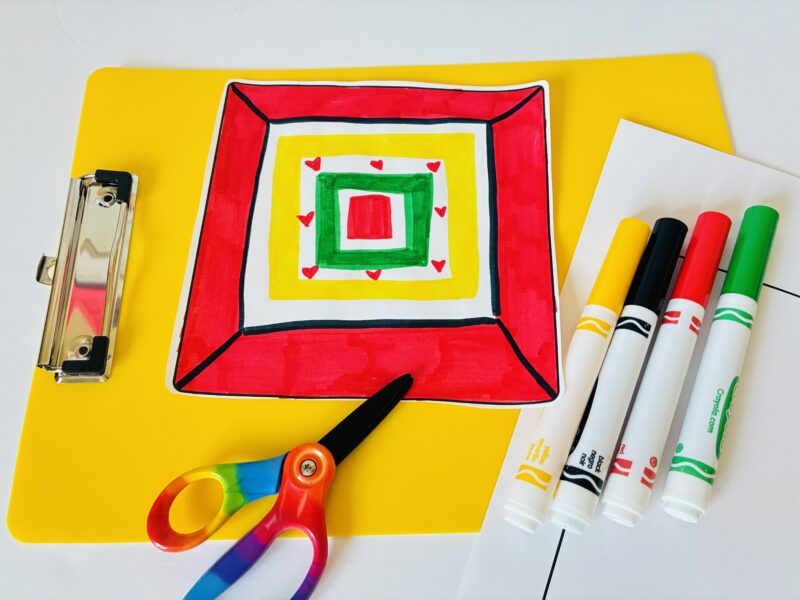
Have students create a classroom quilt with squares that represent different aspects of freedom and emancipation. Each student contributes a square using words, images, patterns, or symbols, and the finished quilt becomes a collaborative display of learning, reflection, and shared meaning.
- K–2: Provide pre-cut fabric squares for students to decorate with symbols of freedom.
- 3–5: Guide students in designing their own quilt squares with themed drawings or symbols.
- 6–8: Encourage students to write short reflections or poems to accompany their quilt squares.
- 9–12: Have students research historical events related to freedom and incorporate these into their quilt squares. Turn it into a school-wide collaborative installation with artist statements. If you have access to art supplies like clay, students can make Freedom Tiles.
8. Digital freedom stories: Script to screen
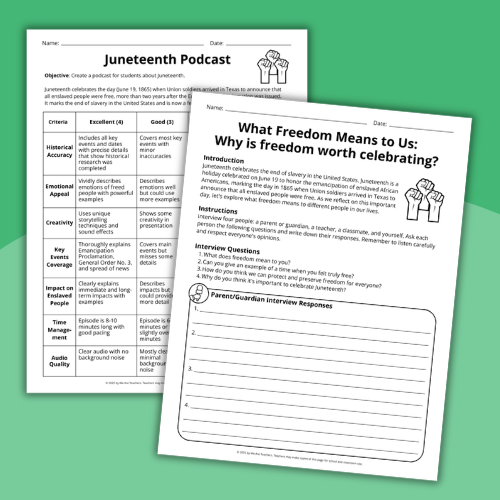
Students script and produce short videos, podcasts, or social media–style presentations about Juneteenth. This activity allows students to combine research, storytelling, and media literacy as they explain the history and meaning of Juneteenth for an audience.
- K–2: Draw and narrate a simple story.
- 3–5: Write short scripts with beginning, middle, and end.
- 6–8: Develop scripts with visuals, sound, and structure.
- 9–12: Produce full multimedia content including branding (thumbnail, hashtags, soundtrack).
Organize community service projects that help students understand the importance of freedom and equality. Students can connect classroom learning to real-world action by supporting local organizations, creating awareness campaigns, or completing service projects that promote justice, inclusion, and community care.
- K–2: Participate in local cleanup events or charity drives.
- 3–5: Engage in service projects that support local organizations.
- 6–8: Encourage students to organize and lead community service projects.
- 9–12: Assign students the task of researching and addressing social justice issues in their community.
10. Post for purpose: Social media for change
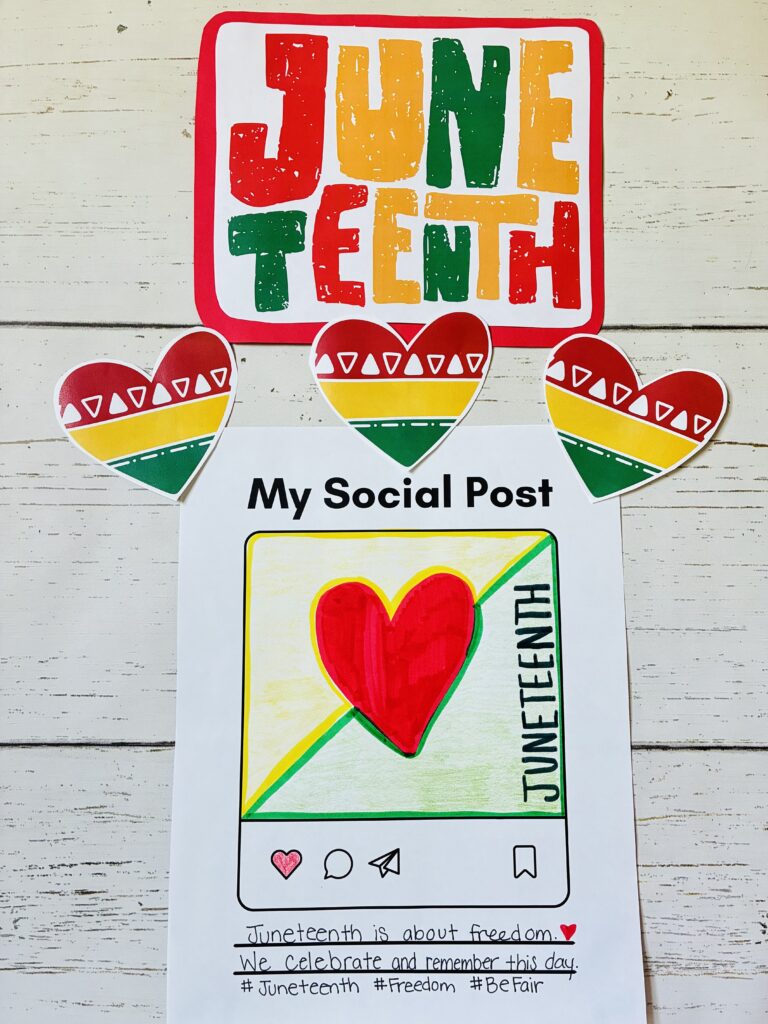
Students create social media posts promoting awareness of Juneteenth based on research and historical facts. This activity challenges students to communicate accurate information in a clear, engaging, and responsible way while thinking about how digital platforms can be used for education and advocacy.
- K–2: Draw a “post” and dictate a message.
- 3–5: Write captions with simple hashtags.
- 6–8: Design posts using facts and persuasive language.
- 9–12: Create strategic campaigns with calls to action and audience awareness.
11. Juneteenth primary source investigation lab
Students analyze authentic historical documents related to emancipation and Juneteenth. By examining speeches, letters, newspaper articles, images, and official records, students practice sourcing evidence and interpreting history through the words and experiences of people who lived it.
- K–2: Use simplified visuals (photos, drawings, symbols) and ask “What do you notice?”
- 3–5: Provide short, adapted excerpts (like simplified versions of orders or letters) with guiding questions.
- 6–8: Use structured document analysis worksheets to examine bias, audience, and purpose.
- 9–12: Facilitate a full inquiry using documents like General Order No. 3, incorporating sourcing, contextualization, and corroboration.
12. Freedom speaks: Protest art and quote design
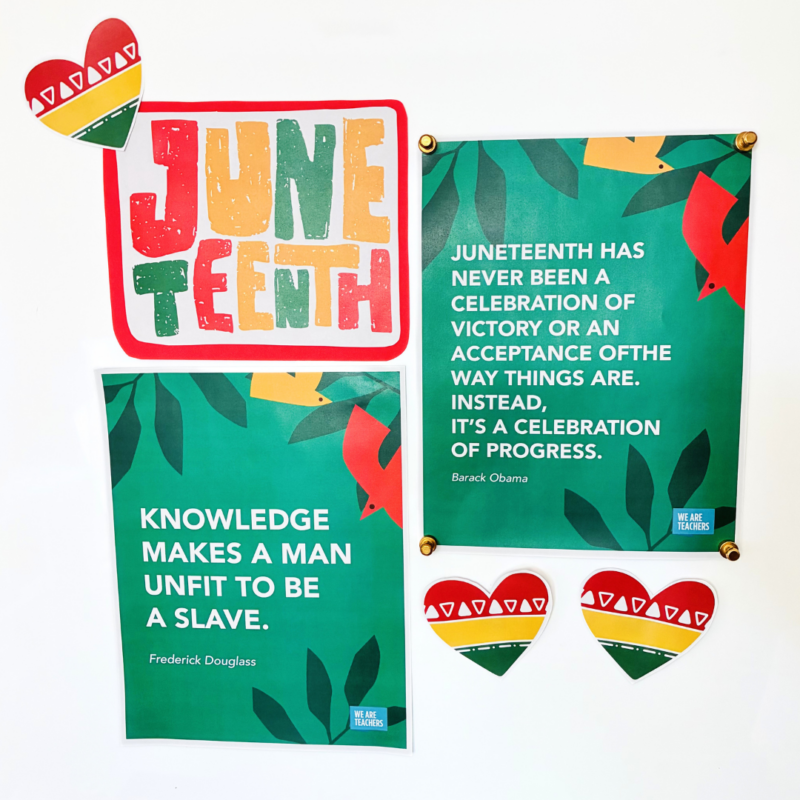
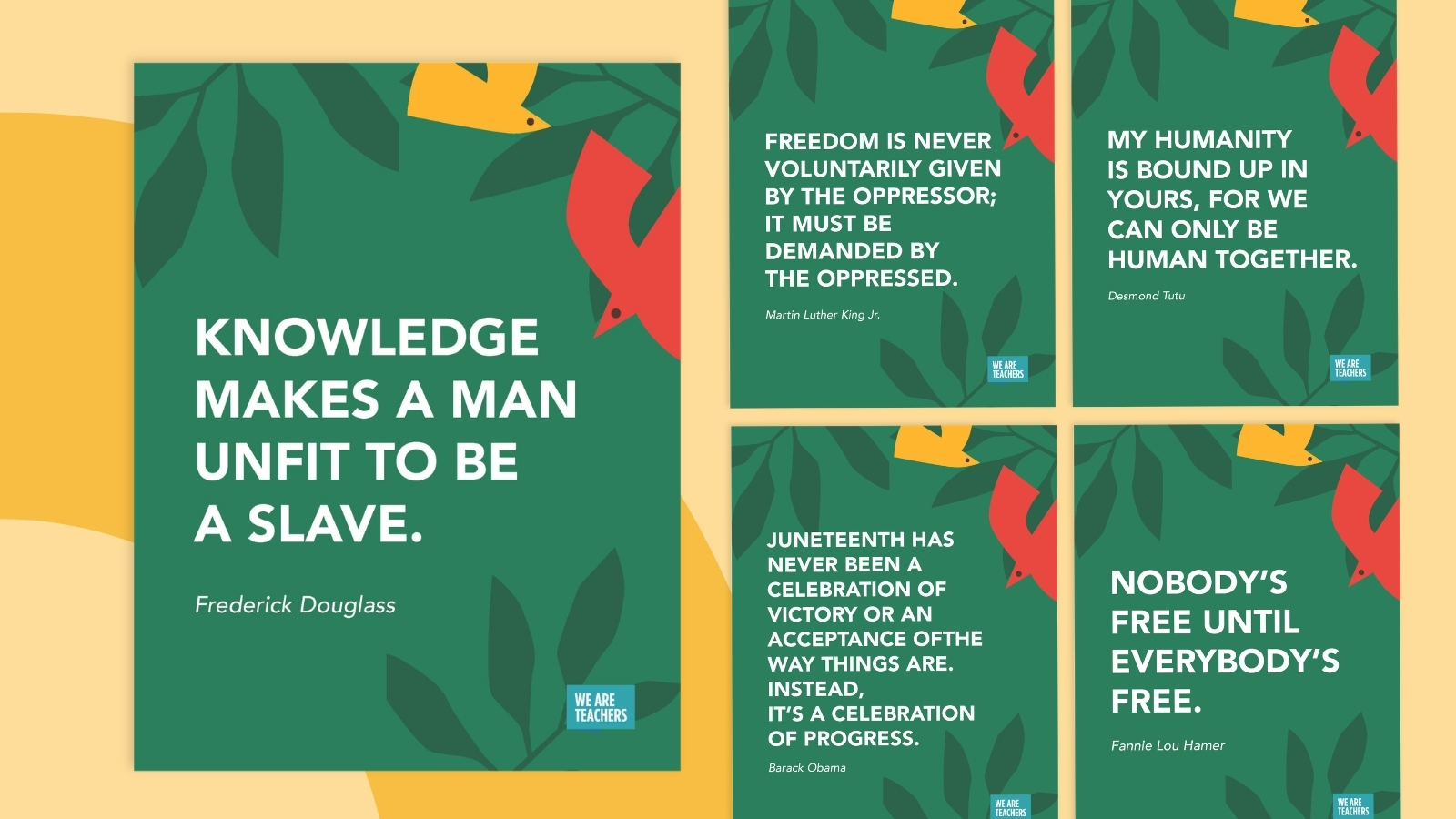
Students create visual art using powerful quotes about freedom and justice. Students will find quotes and create art with these quotes that could be used during a Juneteenth march.
- K–2: Illustrate simple phrases about fairness.
- 3–5: Pair quotes with drawings and explanations.
- 6–8: Analyze quotes and design protest-style posters.
- 9–12: Create impactful visual campaigns with rhetorical analysis.
14. Poetry of liberation: Voices in verse
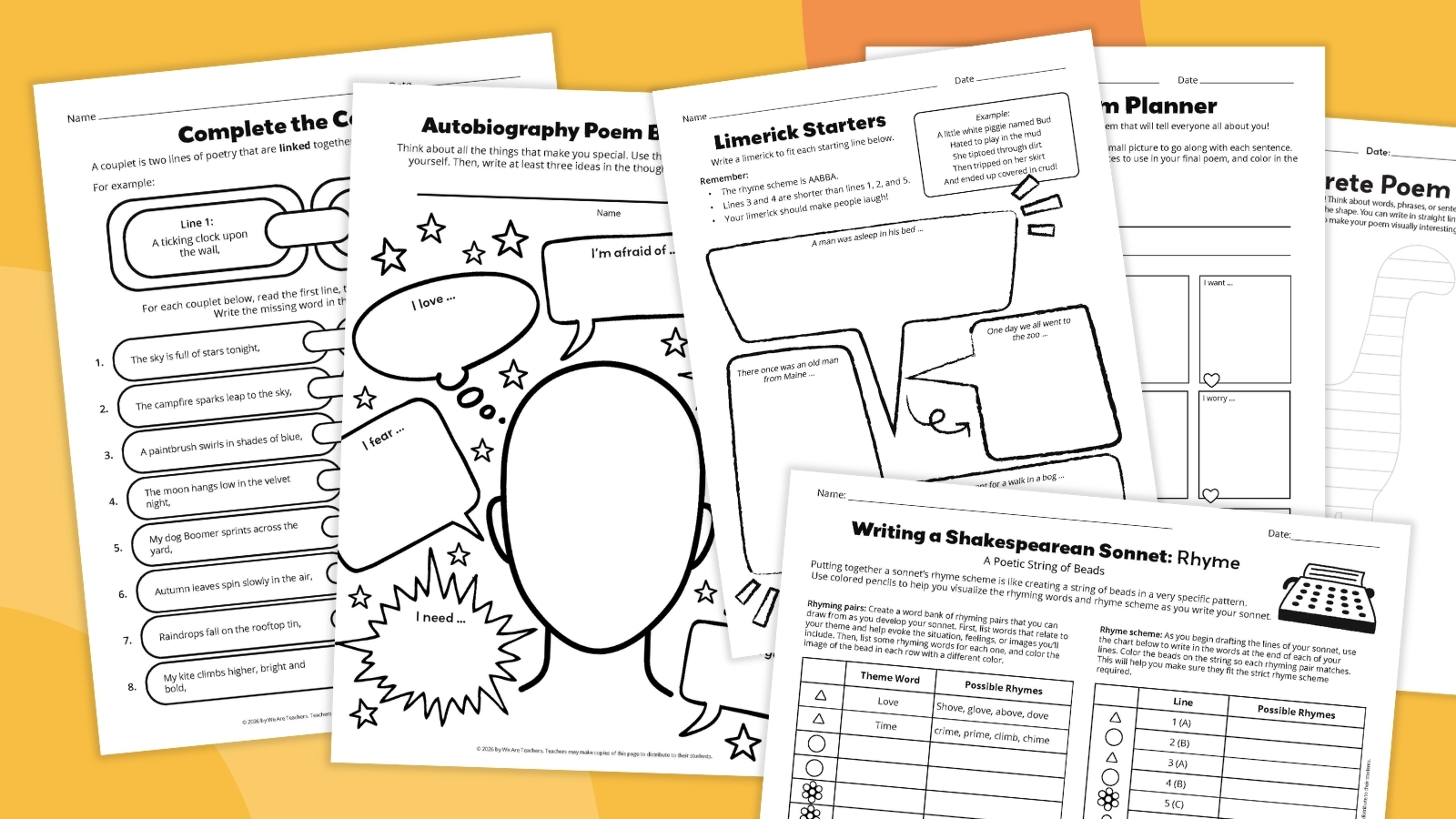
Create a sonnet, ode, or found poem about Juneteenth. Use scaffolded poetry frames for differentiation across grade levels.
- K–2: Use sentence frames to create simple poems.
- 3–5: Write short poems using guided structures.
- 6–8: Experiment with poetic forms and figurative language.
- 9–12: Compose complex poetry with thematic depth and historical connections.
15. Juneteenth “then vs. now” social justice seminar
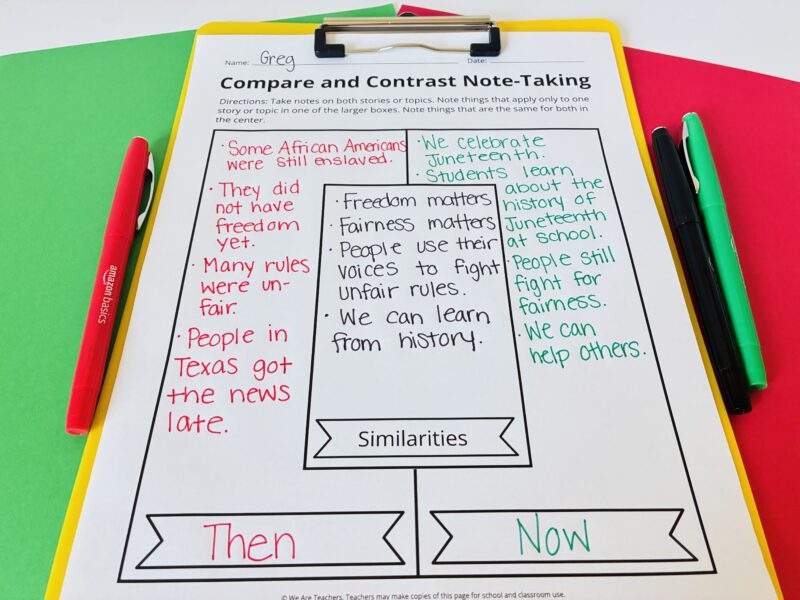
Students connect Juneteenth to present-day issues of equity, justice, and freedom. Through guided discussion, research, and respectful debate, students explore how the fight for freedom did not end in 1865 and how historical events continue to shape modern conversations about civil rights.
- K–2: Discuss fairness using classroom examples and simple scenarios.
- 3–5: Compare “rules then vs. rules now” and what makes something fair.
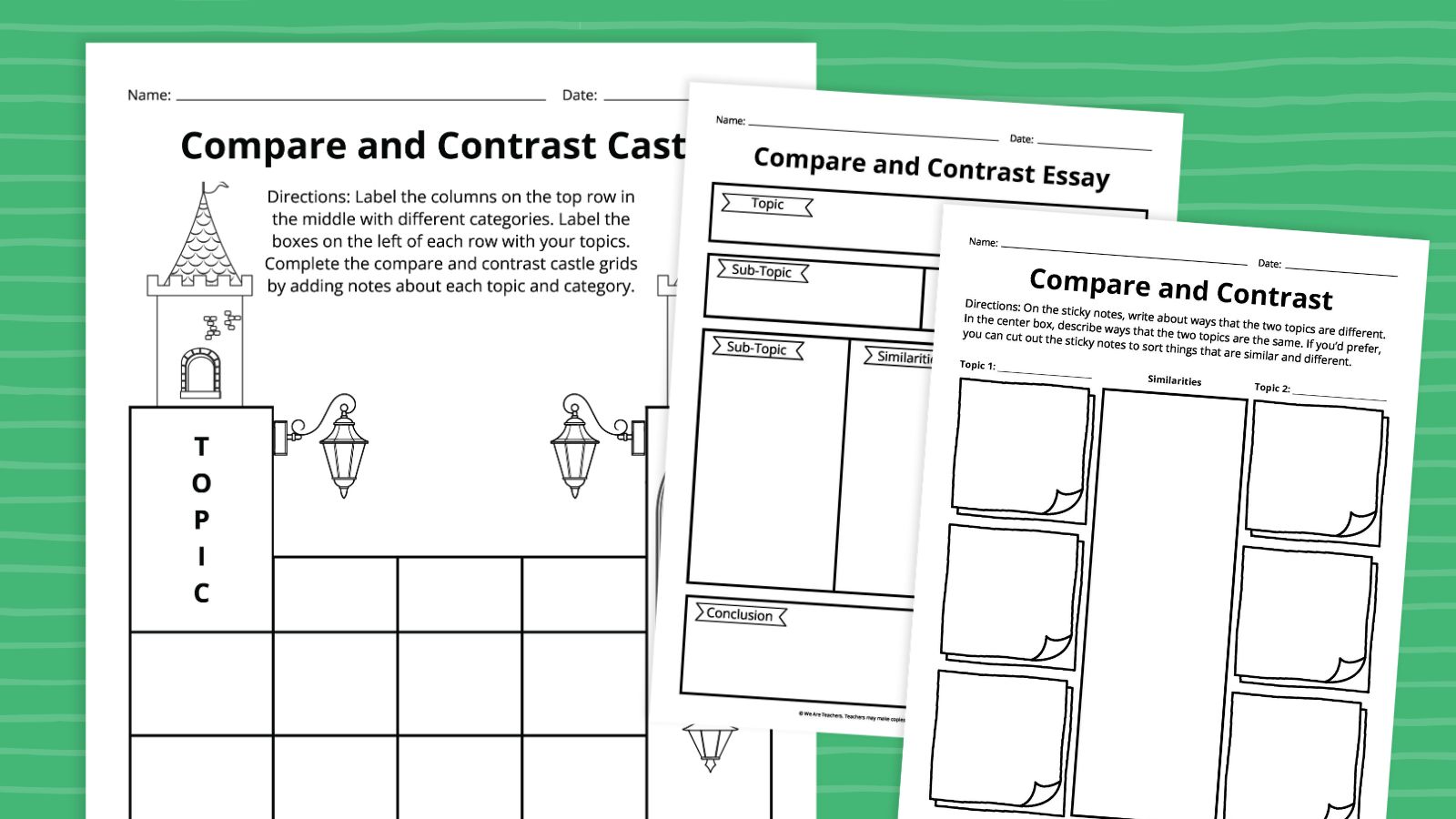
- 6–8: Use a T-chart or digital graphic organizer to compare past injustices with modern movements.
- 9–12: Host a Socratic seminar or panel discussion connecting Juneteenth to current civil rights issues.
18. Juneteenth freedom mapping activity
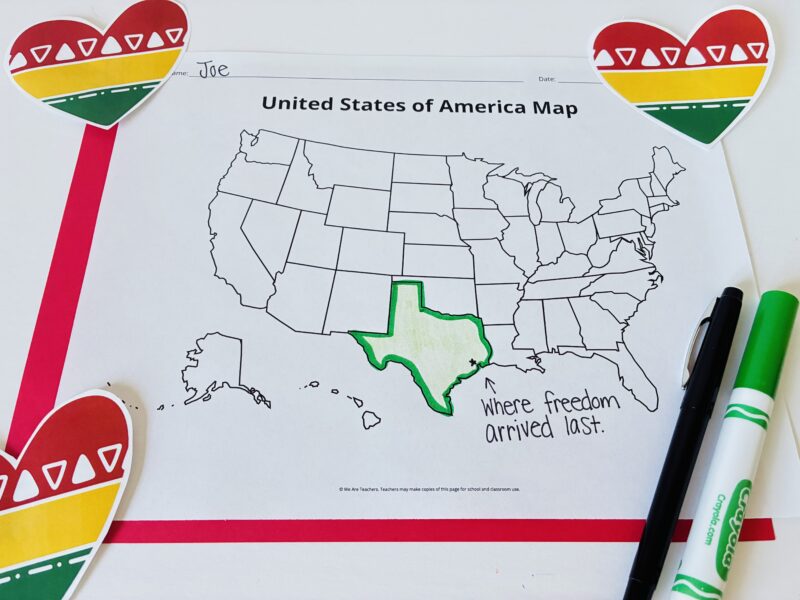
Students map the spread of emancipation and explore geography’s role in delayed freedom. As they trace key locations and dates, students examine how distance, communication, military presence, and local enforcement affected when enslaved people actually received news of their freedom.
- K–2: Use a simple U.S. map and color Texas while discussing “where freedom arrived last.”
- 3–5: Label key states and dates of emancipation.
- 6–8: Analyze why Texas was the last place enslaved people were informed.
- 9–12: Create layered maps (physical, political, economic) and write an analysis on how geography impacted freedom. Use blank map templates or digital mapping tools for differentiation.
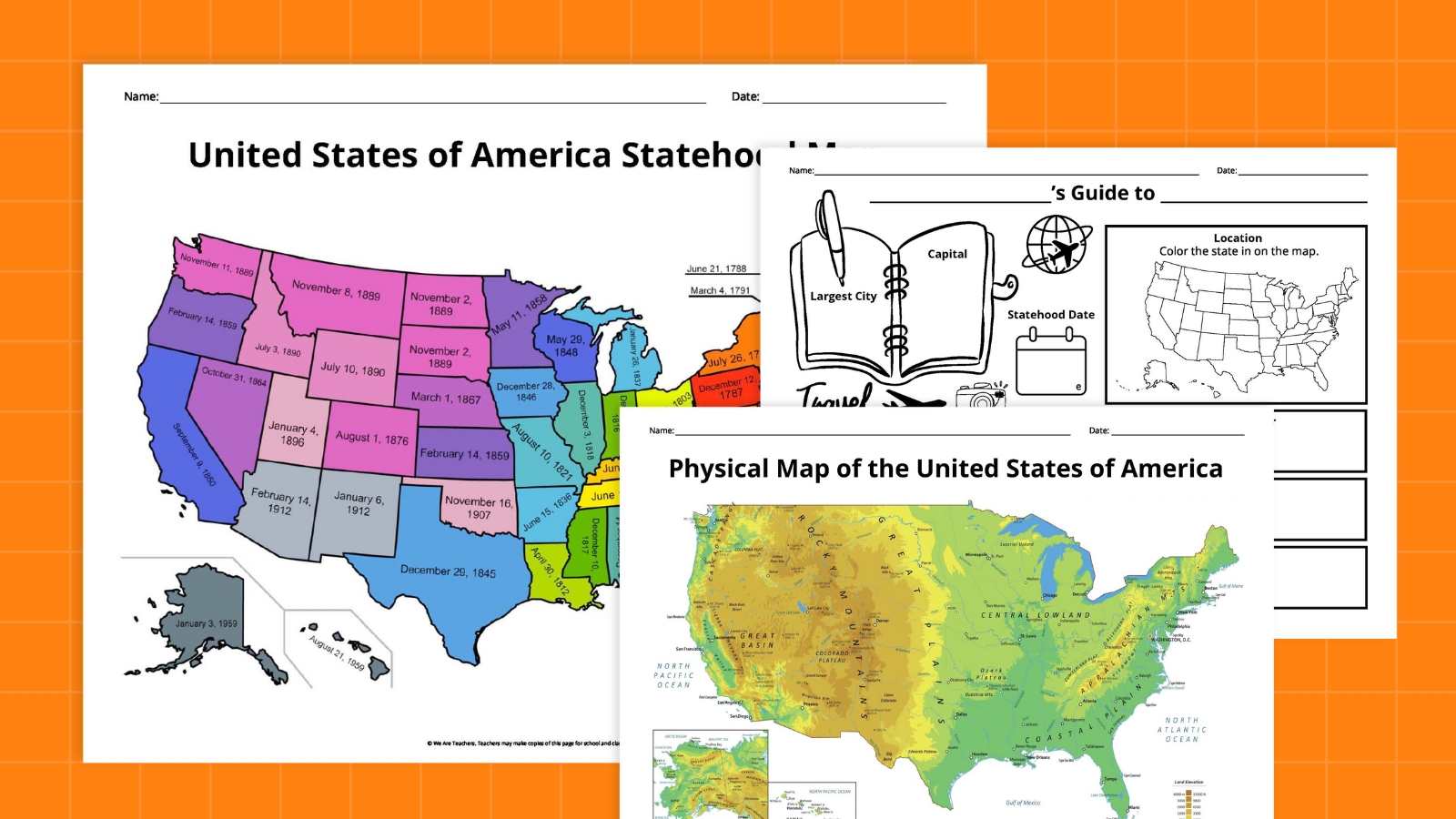
Get your free Juneteenth printable activities bundle!

Bring meaningful Juneteenth lessons into your classroom with this free printable activity bundle. Fill out the form on this page to download your copy.
Plus, check out our list of 75 Inspiring Juneteenth Quotes to share with everyone.
And find all our Summer Learning Resources here!
Recent Comments