
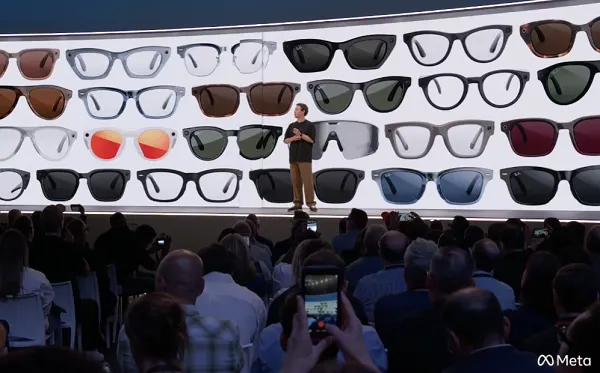
Meta announced a range of new artificial intelligence-powered options at its Meta Connect conference in Menlo Park this week, including improved data security for Muse agents, and new partnerships to facilitate more agentic AI functionality. Meta also showcased new AI glasses models, and a streamlined VR headset that weighs five times less than its current Meta Quest headset.
The main focus of Meta Connect 2026 was Meta’s Muse personal AI agent, with Meta CEO Mark Zuckerberg explaining that Muse is the centerpiece of the company’s broader pivot from the metaverse to AI.
In his keynote speech, Zuckerberg explained that when the company first started building glasses, they believed that the metaverse would come first, then AI superintelligence would come later, which is why it focused on the metaverse initially. But advances in AI meant that it needed to change its approach, and put AI functionality front of mind.
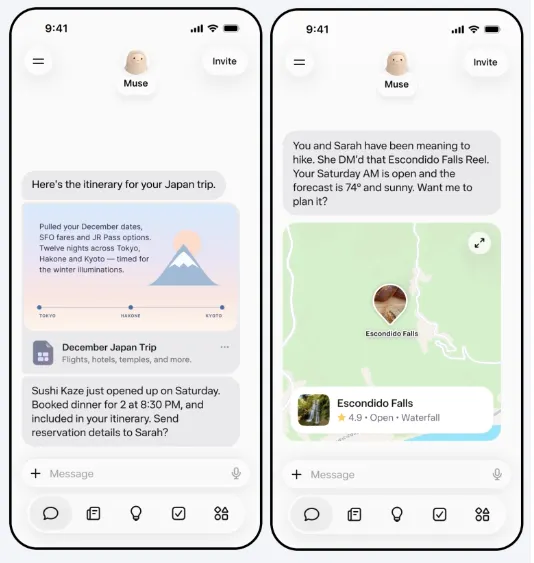
Muse is the primary delivery device for this, and Zuckerberg outlined various Muse elements, including its advanced data protections via Meta Secure VM, a private data process that powers Muse, which not even Meta can access.
Meta’s Chief AI officer Alexandr Wang then discussed the evolution of Muse and coming innovations, including email addresses for Muse agents, in order to improve its functional capacity, as well as new partnerships with Walmart, BestBuy, Gap, Sephora, Expedia, Instacart and Wayfair, who are among a growing number of providers that are now working with Meta to enable Muse connection to their platforms.
Zuckerberg also noted that Muse users will soon be able to customize their Muse agent’s voice, while Muse is now also available in Canada, in addition to the U.S.
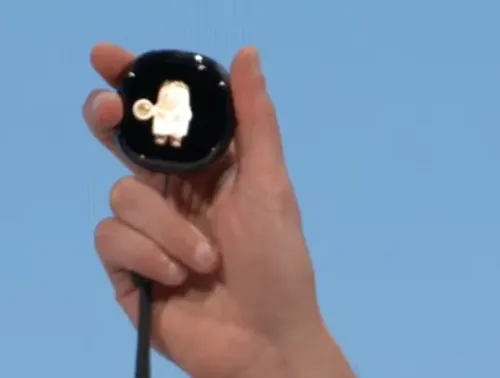
Zuckerberg also previewed the still in-development Muse Charm, which is a Tamagotchi-like device that will provide constant access to a user’s Muse agent in a form factor other than AI glasses.
Which leads into the next element of Meta’s showcase, with its AI glasses taking the floor.
Zuckerberg’s AI glasses presentation also had a big focus on privacy, in response to recent concerns about unauthorized recording through the device and the capacity for content captured through the glasses to be viewed by Meta staff.
Zuckerberg said that Meta is rolling out private processing for Meta Glasses, which will offer more protection, and ensure, as with Muse, that not even Meta staff can access user information via the device.
Zuckerberg also outlined the improved audio elements in AI glasses, including updated support for hearing-impaired users.
It also announced audio-only AI glasses, providing connectivity to Meta AI, without the potential intrusion, and concerns, related to camera capture.
Zuckerberg also showcased the coming Ray Ban Meta Gen 3 device, which features a slimmed-down frame and longer battery life.
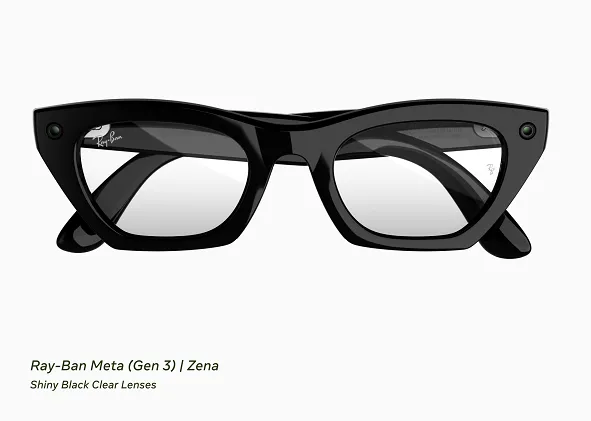
Zuckerberg said that the Gen 3 glasses will also include new capture modes, as well as Dolby Atmos spatial audio capture, which is able to better re-create the audio of scenes captured through the device.
Zuckerberg also previewed additional new AI glasses models, including Aviator and Zena styles, as well as an updated Adventurer device, which will be sold for $249.
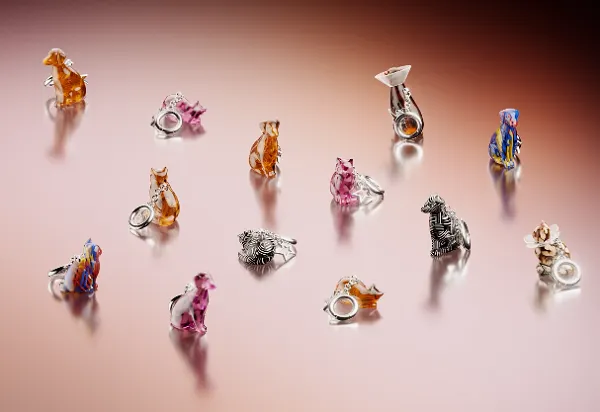
Meta also announced a new collab with K-Pop star Lisa, with custom glasses, similar to the frames that Meta launched with Kylie Jenner. The Lisa glasses will also come with charms that are inspired by her pets.
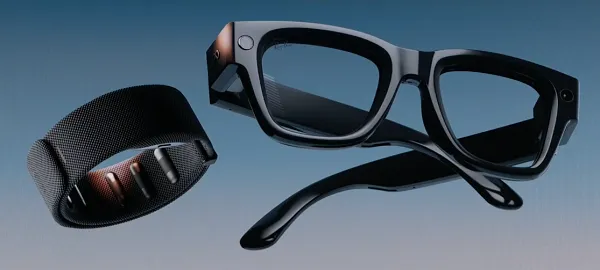
Zuckerberg then moved on to the company’s more advanced Meta Display glasses, which have been sold out for months. Zuckerberg said that Meta is now catching up with demand, and is looking to make the Display model available in more regions.
Finally, Zuckerberg and Reality Labs chief Andrew Bosworth shared an overview of Meta’s next-level VR glasses, which are 5x lighter than the current Meta Quest 3 headset.
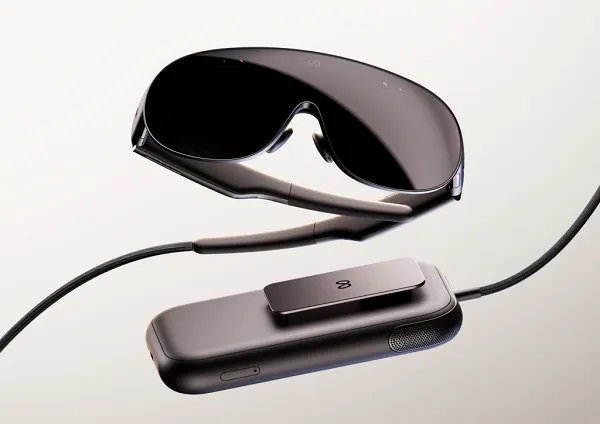
The change in weight is due to Meta switching to a tethered model, with the computer and battery elements in a separate pack.
As explained by Meta: “The VR Glasses handle the sensors and display, while the puck, connected by an optical tether, handles compute, battery, and storage, and conveniently clips to your pocket or bag.”
Meta’s next-gen VR device will integrate users’ Muse AI bot, making it easier to manage the various aspects through conversational prompts, and will come with a range of experiences specifically designed to showcase the power of Meta’s evolving VR tools.
Which are still part of the company’s roadmap, despite the noted pivot to AI.
Zuckerberg said that the new VR device will essentially integrate a great cinema, virtual computer and gaming experience within a single device, and will provide a glimpse into the future of digital connection.
Meta VR glasses will cost $1299, and will be shipping in Spring.
Recent Comments