
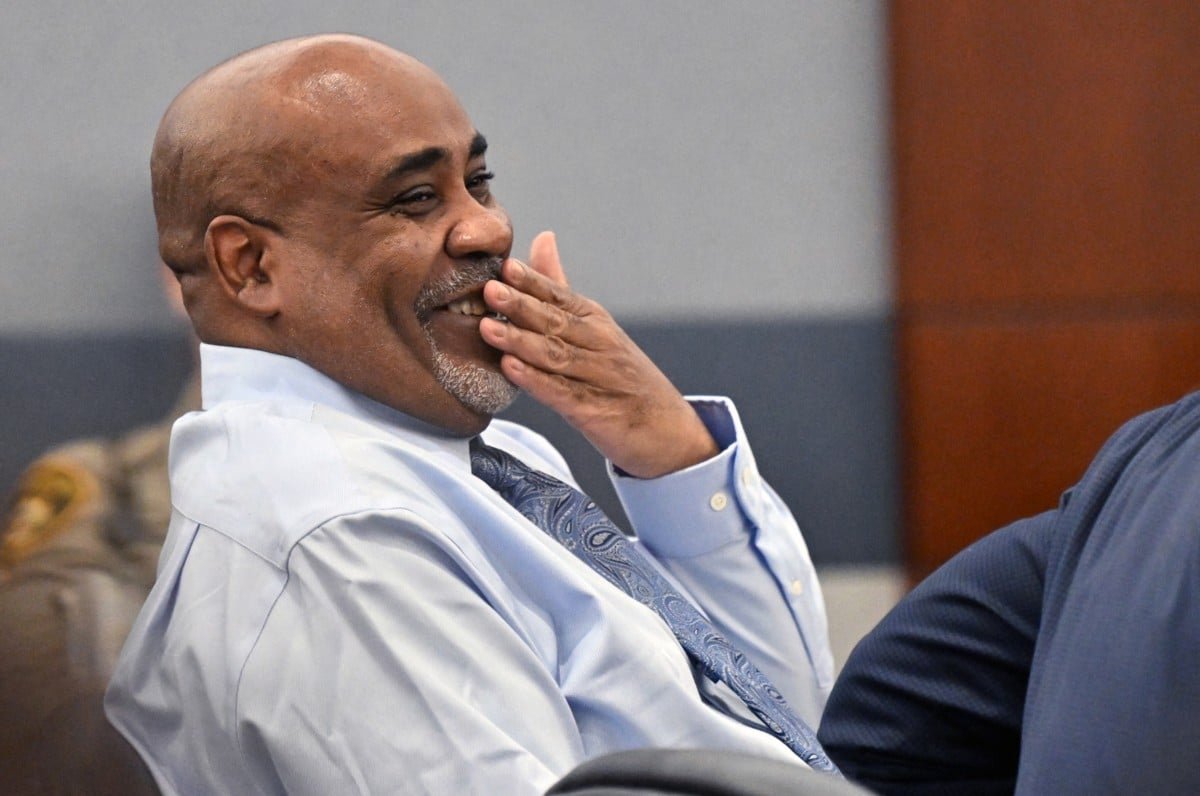
Nearly 30 years after the murder of hip-hop legend Tupac Shakur in Las Vegas, the trial of a man accused of orchestrating the tragedy began on Monday (Aug. 10) with jury selection.
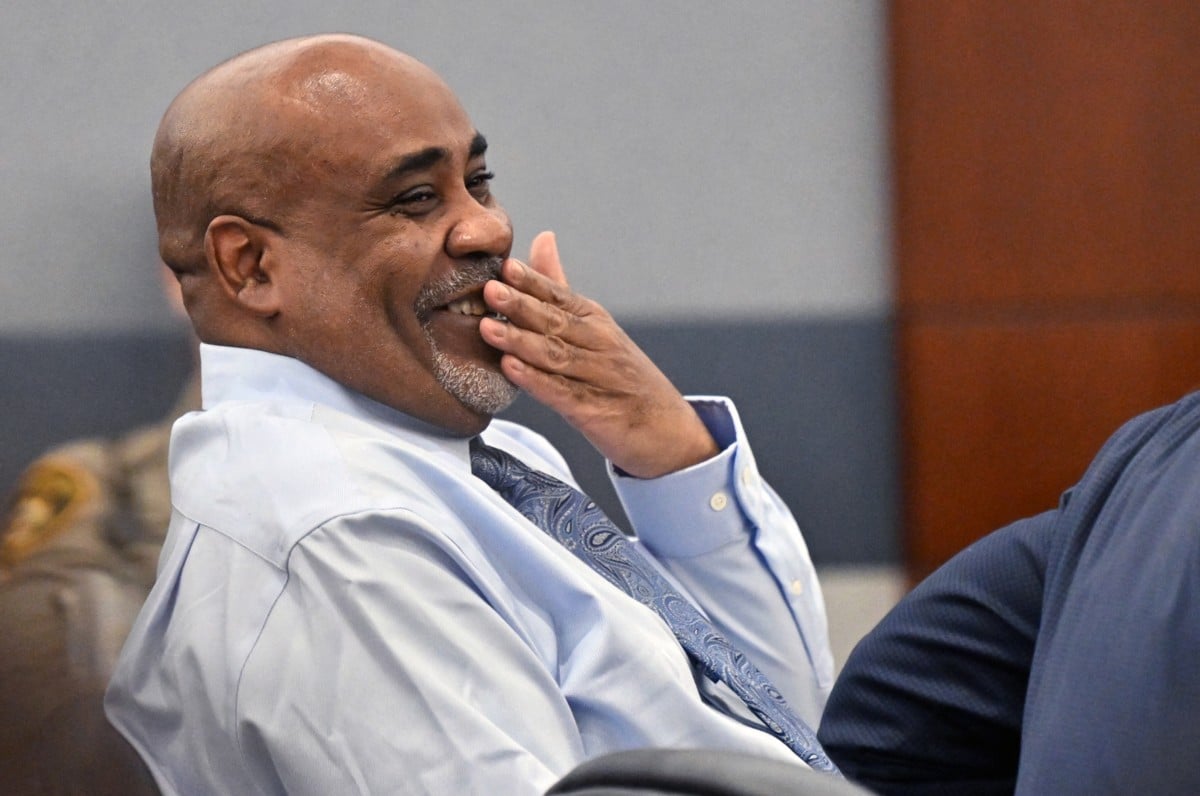
The defendant, Duane “Keffe D” Davis, 63, has pleaded not guilty to a charge of murder with a deadly weapon and an allegation that the killing was carried out to benefit the South Side Compton Crips, the California gang he once helped lead.
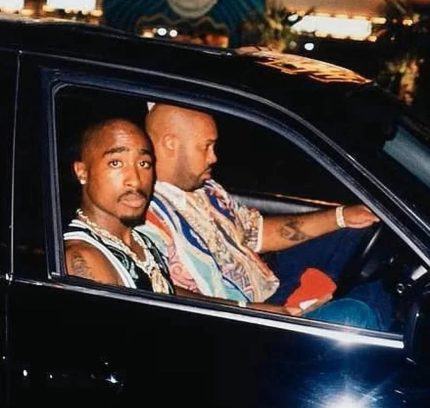
Shakur, 25, was shot and mortally wounded near the Las Vegas Strip on Sept. 7, 1996, as he was riding in a black BMW driven by Death Row Records co‑founder Marion “Suge” Knight. Shakur died six days later. Knight survived.
What Happened in Court
Prospective jurors filed into the Clark County District Court’s Regional Justice Center, where attorneys started the slow process of narrowing a pool of 75 people into the 16 jurors needed for a trial expected to last about a month.
Judge Carli Kierny asked potential jurors about medical issues, scheduling conflicts and familiarity with figures connected to the case, including Knight and Sean “Diddy” Combs.
Prosecutors also asked about entertainment preferences, gang associations, and whether the potential jurors had listened to Shakur’s music. Davis sat quietly beside his attorney, Michael Sanft, occasionally whispering as answers were given.
Seven candidates were asked to return later in the week as questioning continues through Wednesday. Among those watching the proceedings were members of Shakur’s family.
The Charges
Prosecutors are not claiming Davis fired the shots; instead, they say he supplied the gun and directed the attack carried out from a white Cadillac that pulled alongside Knight’s at a red light. In Nevada, orchestrating a fatal shooting carries the same penalty as pulling the trigger.
The case remained dormant for years until Davis began publicly discussing the shooting, including in a 2019 memoir, Compton Street Legends, that described obtaining a handgun and placing it in the Cadillac before the attack. He was arrested in 2023 after renewed investigative interest.
Davis has since claimed that the book was a fictional account published because he needed money.
High-Profile Witnesses Expected
Prosecutors expect to call 35 to 45 witnesses, including former Las Vegas Mayor Oscar Goodman, associates of Shakur, and people tied to gang rivalries that overlapped with the music industry.
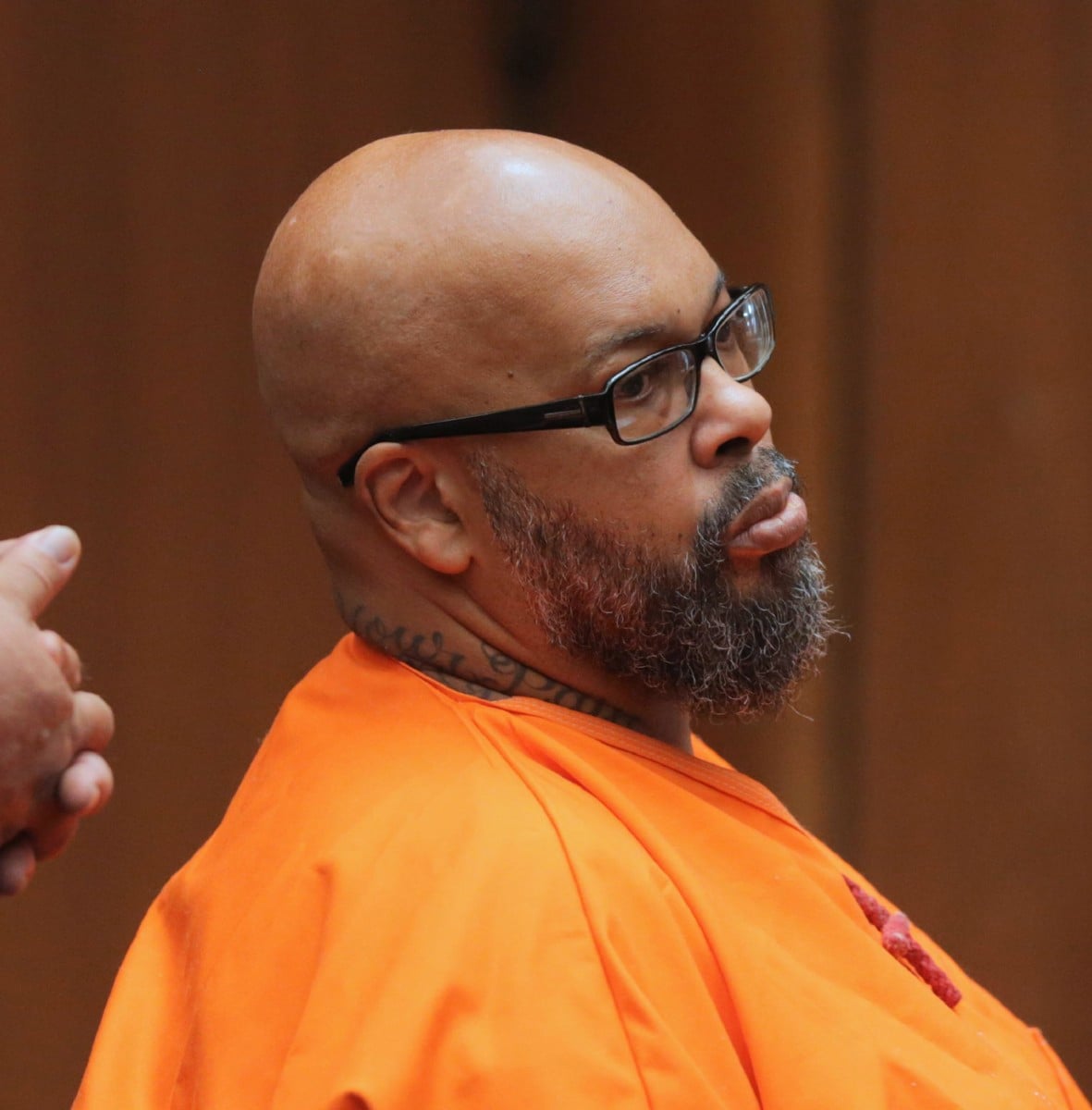
One of the most surprising witnesses on the prosecution’s list is former Death Row Records boss Marion “Suge” Knight, who previously stated that he would not testify — telling TMZ in 2023, “1000% I wouldn’t go.”
Knight is currently serving a 28‑year sentence in California for a 2015 fatal hit‑and‑run. As the only other living eyewitness to the occupants of the two vehicles on that fateful night, Knight’s testimony could be key.
Prosecutors also plan to call Denvonta Lee, a onetime South Side Compton Crips associate.
In earlier grand jury testimony, Lee described how long‑running tensions between the Compton Crips and the Mob Piru subset of the Bloods set the backdrop for the shooting. The rival gangs were aligned with dueling music empires — Knight’s Death Row on the West Coast and Sean “P. Diddy” Combs’ Bad Boy Records on the East Coast. (Combs — currently serving a 50-month federal prison for two counts of transporting people across state lines for the purposes of prostitution — was not named on the prosecution’s list of potential witnesses.)
Although Lee was not present the night Shakur was ambushed, he told jurors he learned, from those involved, that Davis was the shot-caller and that he initially handed the murder weapon to his nephew, Orlando “Baby Lane” Anderson. Anderson didn’t have a clear angle from the back seat, Lee testified, so he handed the gun to Deandrae “Freaky” Smith, who opened fire.
Anderson died in an unrelated gang shootout in 1998. Smith died of natural causes in 2004.
Whether the trial will definitively answer any lingering questions about Shakur’s murder — or about the March 1997 murder of Christopher “Notorious B.I.G” Wallace, long believed to be an act of retaliation for Shakur’s — remains to be seen.
Recent Comments